You picture morning walks along Front Street, maybe a late afternoon cruise across Taylor’s Creek, and evenings on a porch that feels like a page from history. If you are weighing Beaufort’s Historic District against a home with direct waterfront access, you are not alone. Both options offer something special, and both come with practical rules, permits, and maintenance you will want to understand. This guide breaks it all down so you can choose with confidence. Let’s dive in.
Historic district basics
Two designations to know
Beaufort has two historic designations that often overlap but work differently. The National Register Historic District is mostly honorary, while the locally designated Historic District is regulatory. Inside the local district, exterior changes that are visible from the street usually require review. The Town’s Design Guidelines explain the differences and map references so you can confirm whether a specific property is locally regulated. When in doubt, check the mapping and procedures in the Town’s Design Guidelines and HPC information or contact Planning & Inspections.
Architecture you will see
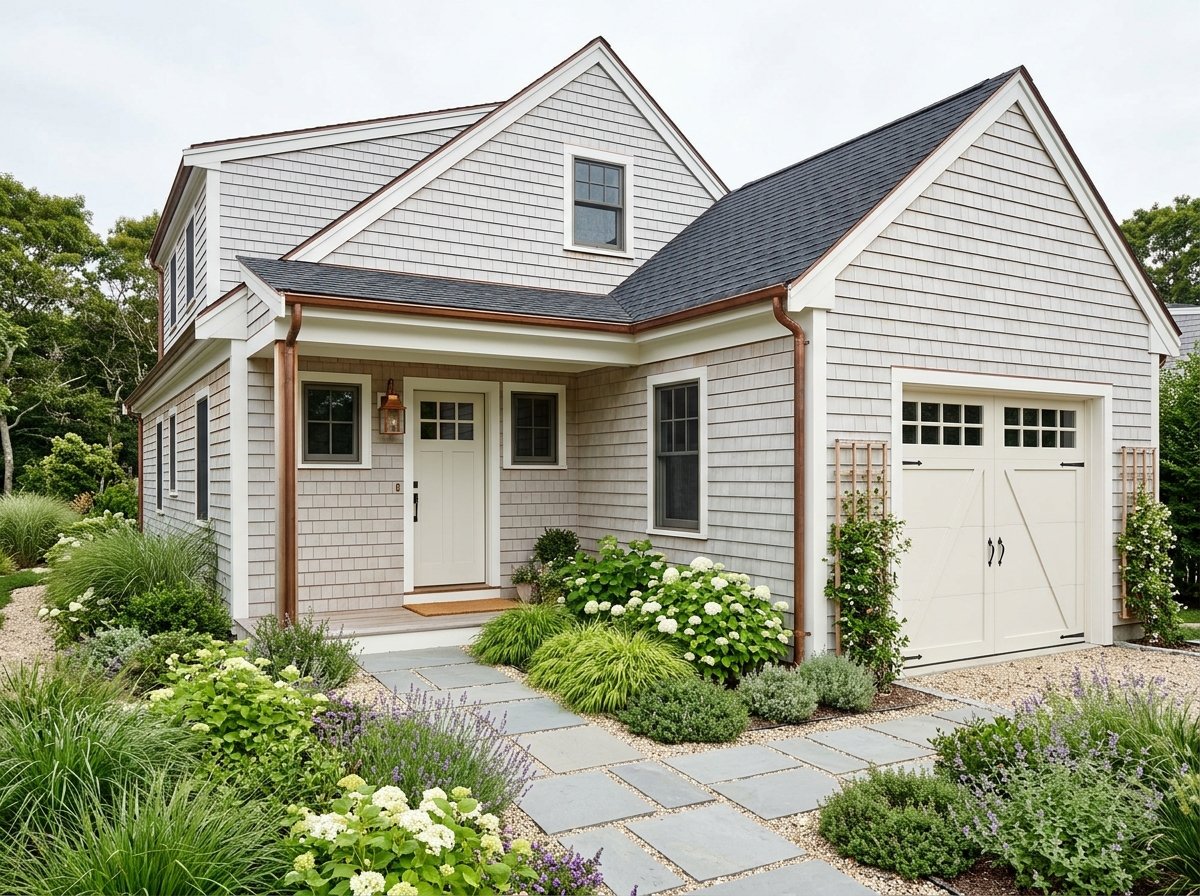
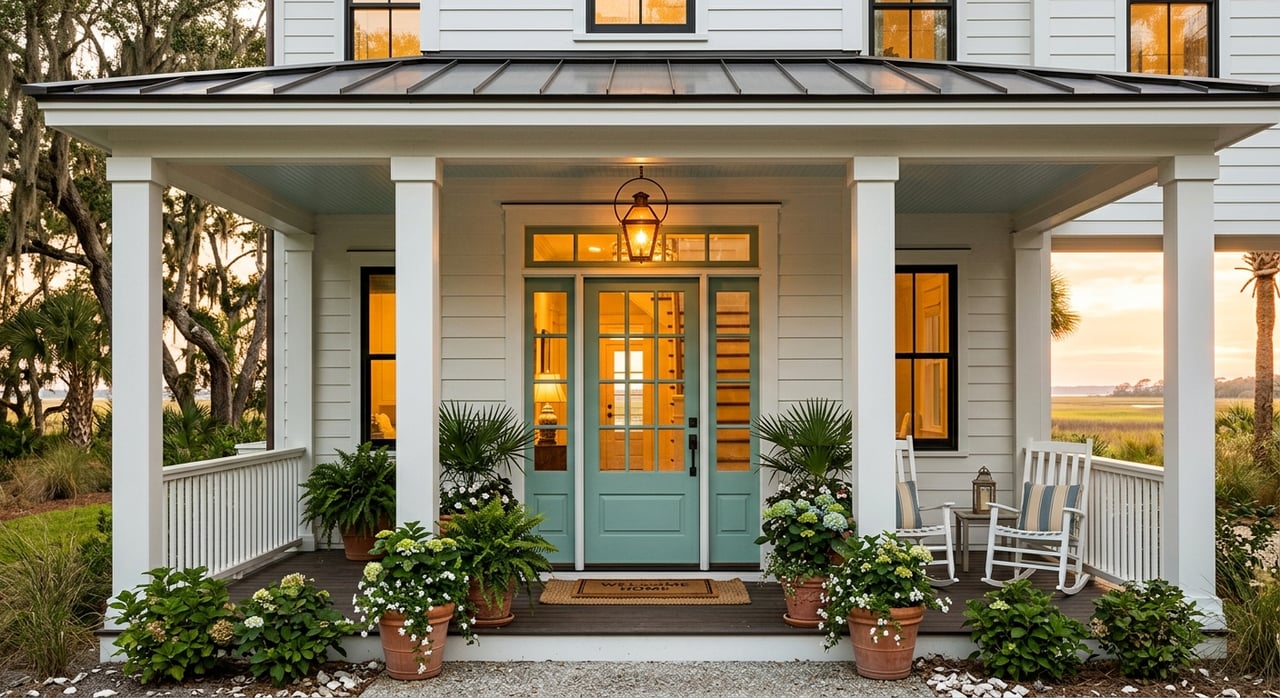
You will find a wide range of styles here, from Colonial and Federal era homes to Greek Revival, Gothic, Italianate, Queen Anne, and early 20th‑century Colonial Revival and Craftsman forms. Expect defining features like deep porches, wood siding, detailed trim, and varied rooflines. The Town’s Design Guidelines include illustrated examples that help you recognize and maintain these features.
What the COA process covers
Within the local district, the Historic Preservation Commission (HPC) reviews exterior work visible from the public way. Additions, demolitions, major landscape changes, signs, and docks that are visible from public areas can require a Certificate of Appropriateness (COA). Some smaller items may qualify for a simplified review. Material choices matter too. For example, substitute vinyl or aluminum siding on visible elevations is generally not allowed, and fiber‑cement may be considered case by case. Before you plan changes, read the Town’s Design Guidelines and HPC procedures.
Smart due diligence for historic homes
Quick checklist:
- Confirm whether the property is inside the locally designated Historic District. Use the Town’s Design Guidelines and contact Planning & Inspections for boundary questions.
- Ask the seller for copies of prior COAs and any related inspections or enforcement notices. This helps you verify that past exterior work was approved.
- Budget for historically appropriate materials and craft. These homes are special, and approved materials can influence cost and timelines.
- Plan for review time. HPC meetings and COA approvals add steps to your schedule, especially for additions or significant exterior work.
Waterfront living options
Downtown waterfront and Town Docks
If you want a short‑walk lifestyle in the heart of Beaufort, focus on the downtown waterfront and the Town Docks. The Town operates the docks with third‑party management and is planning infrastructure improvements. Management is transitioning to F3 Marina with an effective date of January 1, 2026. Policies and services can evolve, so verify current slip programs, fuel services, and transient rules through the Beaufort Town Docks page and the Town’s management announcement.
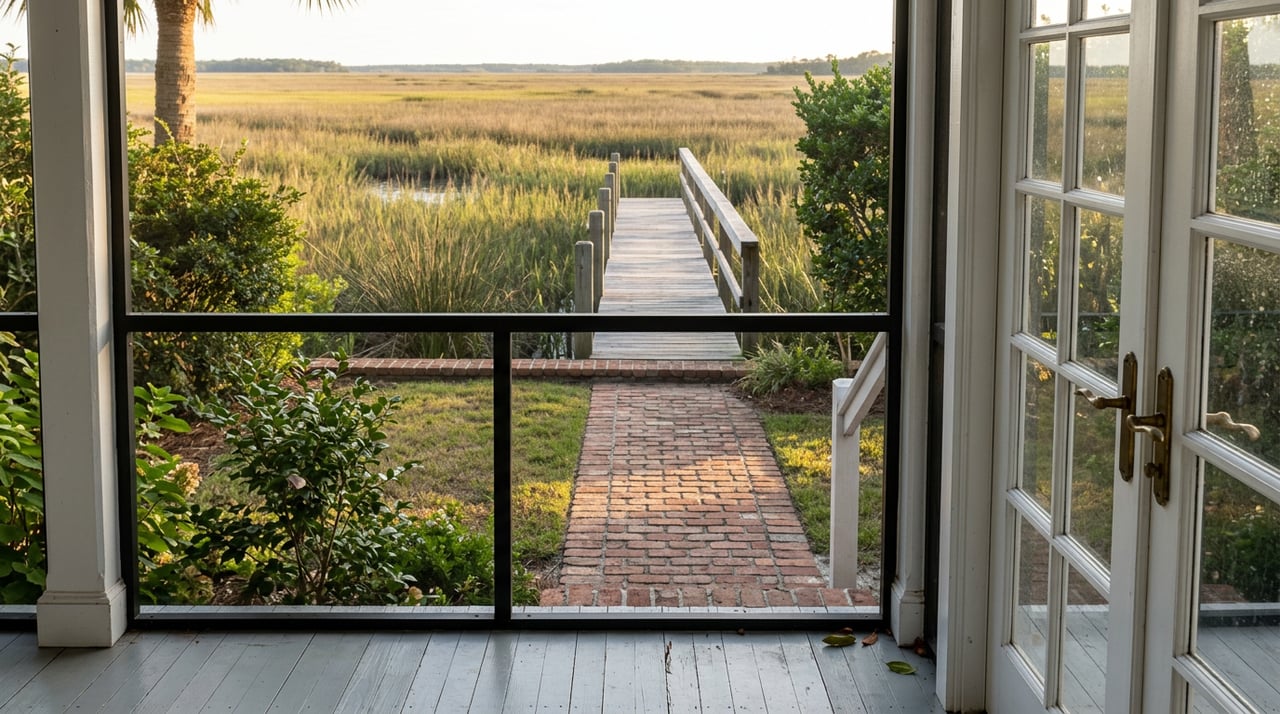
What does this lifestyle feel like day to day? You can stroll to museums, shops, and restaurants, and watch boats come and go along Taylor’s Creek. Slip inventory is limited, so plan early if you need consistent access.
Marinas and deeper‑water needs
Beaufort’s harbor is intimate and protected, well suited to shallow‑draft and trailerable boats. If you own a larger deep‑draft vessel or prefer a full‑service yacht environment, compare options in neighboring Morehead City, which offers deeper approaches and a major yacht basin. Explore the services and slip offerings at the Morehead City Yacht Basin to see how it compares with Beaufort’s downtown experience.
Launches, parks, and day trips
You do not need a private slip to enjoy the water. Local parks and small launch sites near the waterfront make it easy to get a kayak or small boat out for a quick paddle. For broader trip planning across the Cape Lookout region, review the National Park Service guidance on boat ramps and launch points. Check ramp size and any tidal limitations before you tow.
For maritime culture close at hand, Front Street’s North Carolina Maritime Museum offers exhibits, programs, and wooden‑boat events that anchor Beaufort’s boating community.
Permits, flood risk, and what they mean for you
Docks and shoreline permits
Waterfront improvements usually trigger coastal reviews. In North Carolina’s coastal area, docks, piers, and bulkheads fall under the Coastal Area Management Act. Many small projects qualify for minor permits, while larger ones require a formal process. Start with the state’s rules in NCAC 15A Subchapter 07H to understand basic standards and encroachment limits.
Work in navigable waters may also need federal authorization through the U.S. Army Corps of Engineers. State and federal reviews often coordinate. See the Corps’ overview on how to obtain a permit. A permitted dock is usually easier to insure and later resell, so ask the seller for copies of CAMA and USACE permits plus any recent inspections.
Flood zones, insurance, and elevation
Much of Carteret County lies within Special Flood Hazard Areas, and the county participates in the National Flood Insurance Program’s Community Rating System. Flood zones and base flood elevations affect building requirements, insurance premiums, and how you plan improvements. Request the elevation certificate, recent flood‑loss history, and the current flood policy from the seller. The county’s Floodplain Office can help with elevation certificates and local rules. Start with the county’s flood information resources.
FEMA DFIRM panels and the North Carolina FRIS interface provide authoritative flood mapping for each parcel. These maps are updated periodically, so confirm the effective panel during due diligence and check how any VE or Coastal A designation could influence your build or renovation plans.
Practical consequences for coastal building
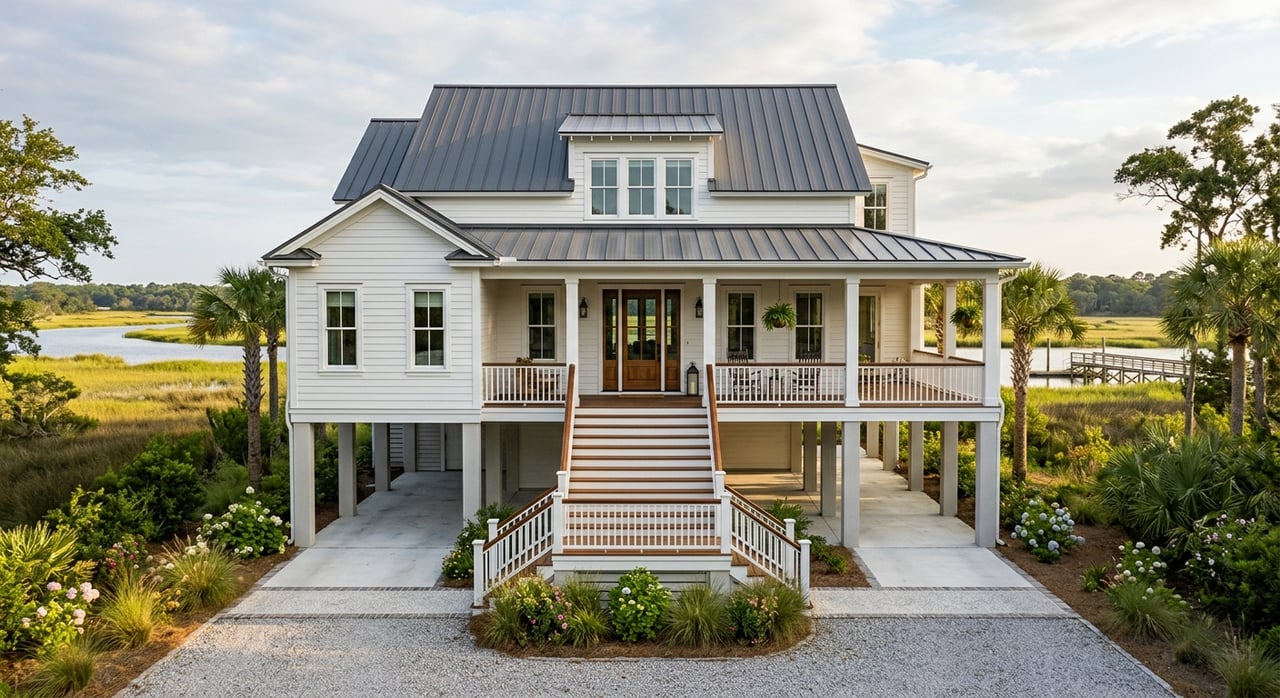
If a property sits in a coastal V zone or has high base flood elevations, new construction and substantial improvements often require elevation on pilings. That affects design, cost, and the kinds of spaces allowed under the living area. The Town’s Design Guidelines and county flood resources are your go‑to references for elevation and freeboard rules that shape project scope.
Maintenance and budgeting on the coast
Salt air, wind, and humidity accelerate wear on paint, metal, and wood. Waterfront and historic homes typically need more frequent upkeep. Resilience steps like elevating utilities, selecting corrosion‑resistant materials, and keeping bulkheads or shorelines properly permitted can reduce risk. The state’s coastal resilience page outlines common approaches and planning tools you can discuss with local experts. Learn more from North Carolina’s coastal resilience planning resources.
A simple rule of thumb: pair your wish list with a maintenance plan and reserve funds. If the home is in the local Historic District, match that plan to approved materials and any COA requirements so you can set realistic timelines and budgets.
How Beaufort compares nearby
- Beaufort: Historic, walkable core with museums and a protected small‑harbor feel. Best if you value character and easy access to downtown amenities.
- Morehead City: Deeper channels and a larger commercial marina environment with more options for bigger boats and full‑service yards.
- Atlantic Beach and Emerald Isle: Barrier‑island oceanfront towns with beach access and a different coastal dynamic. Compare permitting and lifestyle priorities to see what fits.
Work with a local team that knows the water
From confirming a COA history to evaluating dock permits, flood zones, and marina options, you will benefit from hands‑on local guidance. Our team pairs deep Crystal Coast knowledge with national marketing to help you buy or sell confidently, whether you are eyeing a porch in the Historic District or a home that makes it simple to get on the water.
Ready to map the right neighborhood, run numbers, and move forward with clarity? Connect with the Copeland & Bernauer Real Estate Team for local insight and a clear next step.
FAQs
What is the difference between Beaufort’s National Register district and the local Historic District?
- The National Register district is mostly honorary. The locally designated Historic District is regulatory and triggers review of visible exterior work. Confirm boundaries in the Town’s Design Guidelines.
How do I check if past exterior work on a historic home was approved?
- Ask the seller for prior Certificates of Appropriateness and any related files, then verify with the Town using the Design Guidelines and HPC procedures.
What permits are required to build or repair a dock in Beaufort?
- Most docks need state authorization under CAMA rules and may need federal approval from the U.S. Army Corps. Review NCAC 07H and the Corps’ permit guide.
How do flood zones affect insurance and renovations in Carteret County?
- Flood zones and base elevations shape building requirements and premiums. Request the elevation certificate and loss history, and consult the county’s flood information.
Who manages the Beaufort Town Docks and how do I get a slip?
- The Town Docks are operated with third‑party management, transitioning to F3 Marina effective January 1, 2026. Check current slip programs and services on the Beaufort Town Docks page and the management announcement.