Dreaming about a second home on the coast, but not the kind of place packed with crowds and resort noise? Harkers Island offers a very different rhythm. If you are looking for a quieter coastal base with deep ties to boating, fishing, and Cape Lookout access, this guide will help you understand what makes the island unique and what you should check before you buy. Let’s dive in.
Why Harkers Island Feels Different
Harkers Island is shaped by a working-waterfront identity more than a resort-town image. Local history points to a community rooted in fishing, boatbuilding, and practical coastal living, with Harkers Island boats long used for trawling, shrimping, dredging, and recreational fishing.
That character still matters when you shop for a second home here. Instead of choosing a place for a long list of resort amenities, you are often choosing Harkers Island for water access, a quieter setting, and a strong connection to the outdoors.
What Draws Second-Home Buyers Here
One of the biggest draws is access to Cape Lookout National Seashore. The Harkers Island Visitor Center is one of only two mainland sections of the seashore you can reach by car, and it serves as a ferry gateway to Cape Lookout Light Station and Shackleford Banks.
Passenger ferries run from Harkers Island to the lighthouse and the east end of Shackleford Banks. The trip from Harkers Island to the lighthouse takes about 30 minutes, which makes day trips feel simple and realistic for second-home owners and guests.
The area’s appeal is also tied to how people spend time here. The national seashore experience centers on fishing, shelling, swimming, birding, and other low-key outdoor activities, with some lodging in the park described as rustic and in some cases boat-access only.
That tells you a lot about the buyer fit. Harkers Island tends to make sense if you want a coastal home base built around boating, fishing, and easy access to natural surroundings rather than a busier tourism scene.
What Homes Often Look Like
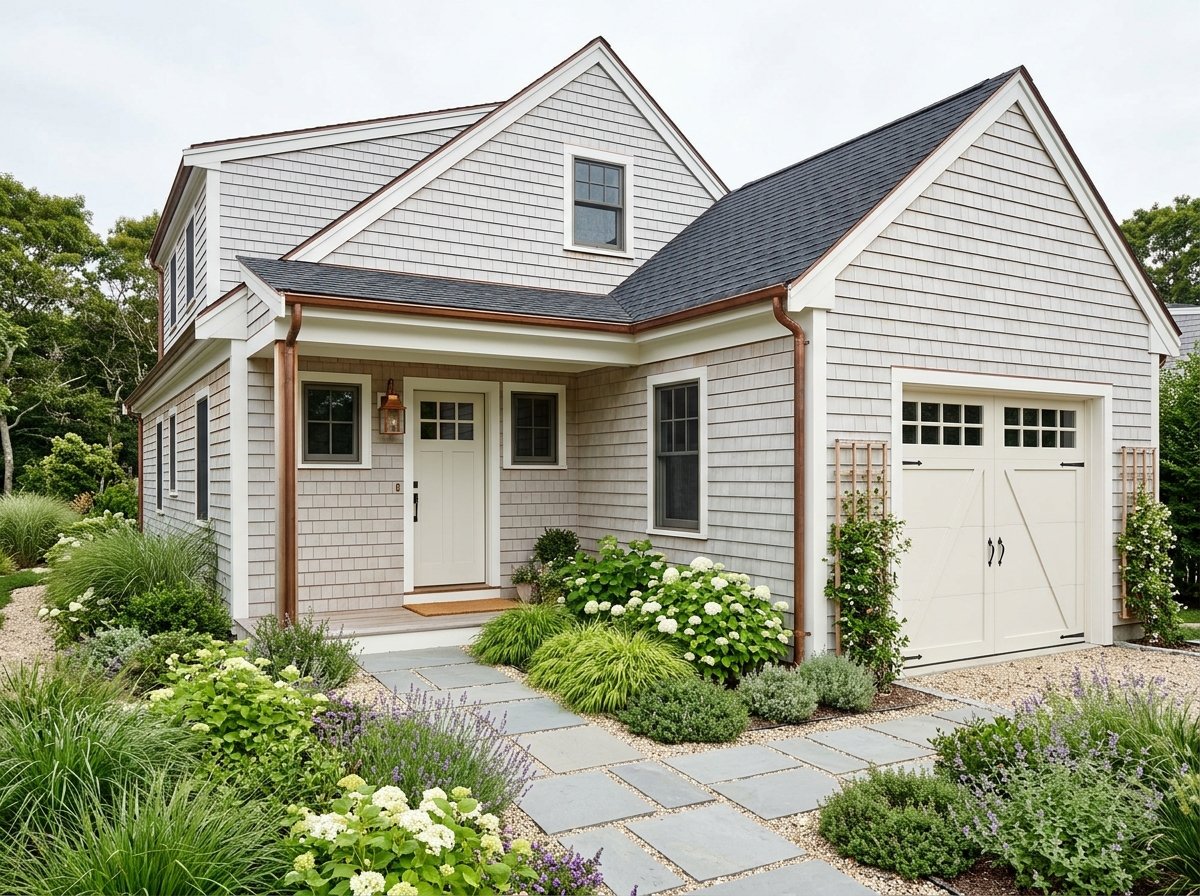
Housing on Harkers Island has traditionally leaned practical and modest in form. Historic survey records describe early homes in cottage-style, side-gabled, and I-house forms, and note that some houses were moved from other islands or rebuilt after earlier communities were abandoned.
You may still see that practical DNA in the housing stock today. For a second-home buyer, that often means focusing less on flashy finishes and more on layout, upkeep, storm readiness, and how well a property supports the way you want to use it.
Older homes can offer a lot of character, but they may also require closer review. If you are considering a cottage or bungalow-style property, it is smart to look carefully at maintenance history, elevation, utility setup, and any updates made for coastal conditions.
Access Matters More Than You Think
When you buy a second home, getting there easily matters. Harkers Island’s mainland bridge connection was rebuilt through a project that replaced two bridges more than 50 years old with a single 3,200-foot bridge designed for improved capacity and better durability in coastal conditions.
NCDOT also said the project was intended to improve emergency and hurricane evacuation access. That is a practical plus for owners who want a more dependable route in and out, especially if you plan to host friends, family, or renters.
Water access has also seen improvement. In May 2024, Carteret County said dredging from Back Sound to Lookout Bight widened the channel between Harkers Island and the Cape Lookout Lighthouse to 100 feet with depths of 7 to 9 feet, improving access for ferry services, local businesses, and public boaters.
For many second-home buyers, those details are not small. They shape how easy the property will be to enjoy, how guests will experience the area, and how you plan for changing weather.
Flood Risk Should Be a First Conversation
On Harkers Island, flood planning is not a side issue. It should be one of the first things you review before you make an offer.
Carteret County says a FEMA map update effective January 17, 2025 moved portions of the county into a new Coastal A flood zone. The county also explains that storm surge from hurricanes, tropical storms, and nor’easters is the dominant local flood source, and that about 33% of the county’s population and 47% of its land area are within a Special Flood Hazard Area.
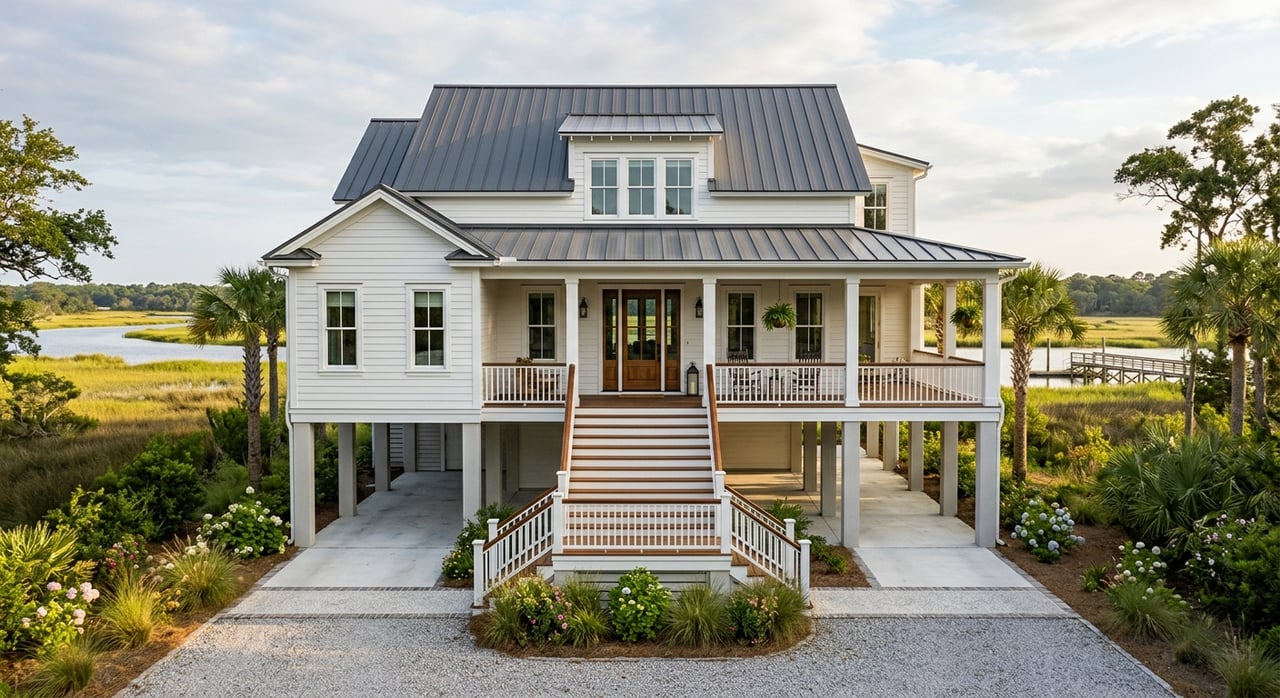
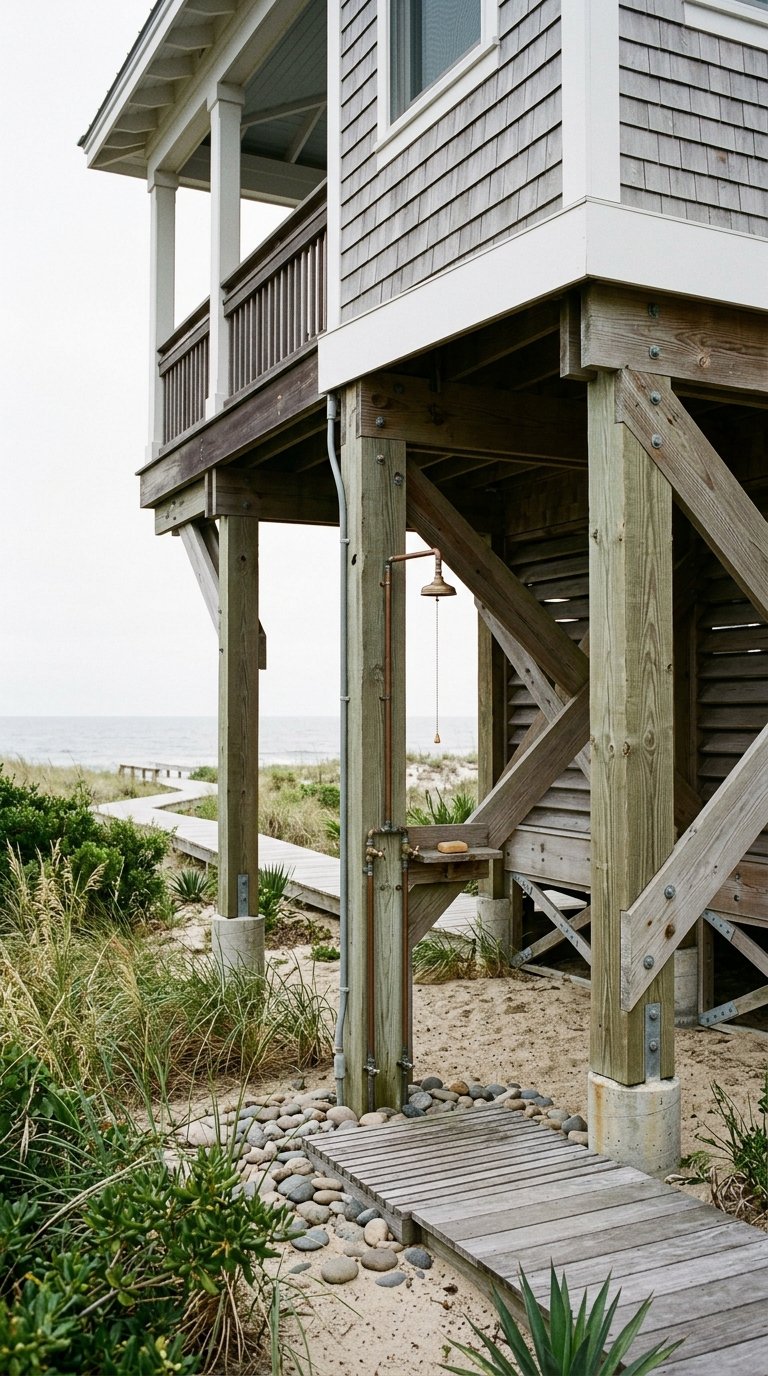
That matters because flood-zone designation can affect construction standards, renovation plans, and insurance costs. According to Carteret County, affected new construction and substantial improvements must meet coastal construction rules that can include piling or column foundations and breakaway walls or flood venting.
Before you buy, ask for the property’s elevation certificate if one is available. Carteret County also says it keeps elevation certificates and can help with map amendments and revisions, which can be useful when you are verifying a parcel’s status.
A smart flood-risk checklist includes:
- Confirm the parcel’s current flood-map designation
- Ask whether an elevation certificate is available
- Review past storm or water-intrusion history
- Understand whether recent or future improvements would trigger coastal construction rules
- Get insurance quotes based on the exact property, not an estimate based on the street or neighborhood
Utilities Need Parcel-by-Parcel Review
Utility assumptions can create expensive surprises in coastal markets. On Harkers Island, sewer service is one of the most important examples.
County planning material notes that Harkers Island is the exception in an area that otherwise lacks central sewer service. At the same time, the Harkers Island Sewer Company says it is expanding capacity and maintaining an active waitlist.
That means you should not assume every property has the same utility picture. Before you move forward, confirm whether the home is already connected, whether service is available for the parcel, and whether any timing or capacity issue could affect your plans.
Carrying costs also deserve a closer look. Carteret County’s 2025 tax-rate sheet shows separate district rates and an annual availability fee, so the full ownership cost may involve more than a countywide tax rate alone.
If You Plan to Rent the Home
Some second-home buyers want occasional personal use and part-time rental income. If that is your goal, Harkers Island can still be a strong fit, but your strategy should start with the local rules and the island’s actual guest appeal.
This is not a market you should approach with a generic beach-rental mindset. The local draw is more experience-driven, with appeal tied to boating, fishing, ferry access, and a quieter coastal setting.
If you plan to rent, Carteret County says a 6% occupancy tax applies to rental lodging, including houses rented through Airbnb, VRBO, and similar platforms, with limited exceptions such as stays of 90 consecutive days or more. The county also requires monthly remittance.
That makes rental setup part of your buying decision, not something to figure out later. You will want to understand likely guest expectations, how often you plan to use the property yourself, and whether the home’s location and features support your rental goals.
A few rental-focused questions to ask are:
- Does the home’s layout work for guest stays as well as owner use?
- How easy is it for guests to access ferries, boat launches, or waterfront activities?
- What will occupancy tax compliance look like month to month?
- Are flood insurance, maintenance, and utility costs still workable with your expected rental use?
Best Questions to Ask Before You Buy
A second home on Harkers Island can be rewarding, but the right purchase usually comes down to asking practical questions early. A beautiful view is important, but so are the details that shape ownership over time.
Start with these:
Flood and insurance questions
- Is the parcel in a current flood-map area?
- What insurance information is available for the specific property?
- Is there an elevation certificate on file?
- Would future renovations trigger added coastal construction requirements?
Utility and cost questions
- Is the property connected to sewer now?
- If not, what are the current options and timelines?
- What district taxes or availability fees apply to this parcel?
- Are there other recurring coastal ownership costs you should budget for?
Use and access questions
- How will you use the property most often?
- Does the location fit your boating, fishing, or ferry-access goals?
- How will bridge access and evacuation planning affect your comfort level?
- If guests will use the home, will the area match their expectations?
Why Local Guidance Helps
Buying a second home on Harkers Island is often less about chasing a standard beach-house checklist and more about matching the property to your lifestyle, budget, and comfort with coastal logistics. Flood zones, sewer access, carrying costs, and rental strategy can all change the value of a property from one parcel to the next.
That is why local guidance matters. When you work with professionals who understand Carteret County, waterfront conditions, and second-home ownership on the Crystal Coast, you can make decisions with more clarity and fewer surprises.
If you are thinking about buying a second home on Harkers Island, the Copeland & Bernauer Real Estate Team can help you compare properties, understand coastal ownership details, and find a home that fits the way you actually want to live and use the island.
FAQs
What makes Harkers Island different for second-home buyers?
- Harkers Island is known more for its working-waterfront character, boating, fishing, and Cape Lookout access than for a large resort-style amenity scene.
What should buyers know about flood zones on Harkers Island?
- Carteret County says flood planning is essential, and buyers should verify the parcel’s flood-map designation, review elevation information, and understand how coastal construction rules may affect future improvements.
What should buyers check about sewer service on Harkers Island?
- Buyers should confirm sewer status for the exact property because Harkers Island Sewer Company has been expanding capacity and maintaining an active waitlist.
What should second-home buyers know about renting out a Harkers Island property?
- Carteret County says a 6% occupancy tax applies to rental lodging, including many short-term rental bookings, so you should factor compliance and carrying costs into your plan early.
How do ferries affect second-home ownership on Harkers Island?
- Ferry access is part of the area’s appeal because Harkers Island is a gateway to Cape Lookout Light Station and Shackleford Banks, which supports a more outdoors-focused and experience-driven second-home lifestyle.
Why is local real estate guidance helpful for buying on Harkers Island?
- Local guidance can help you compare flood exposure, access, utilities, carrying costs, and rental potential at the property level, which is especially important in a coastal market like Harkers Island.