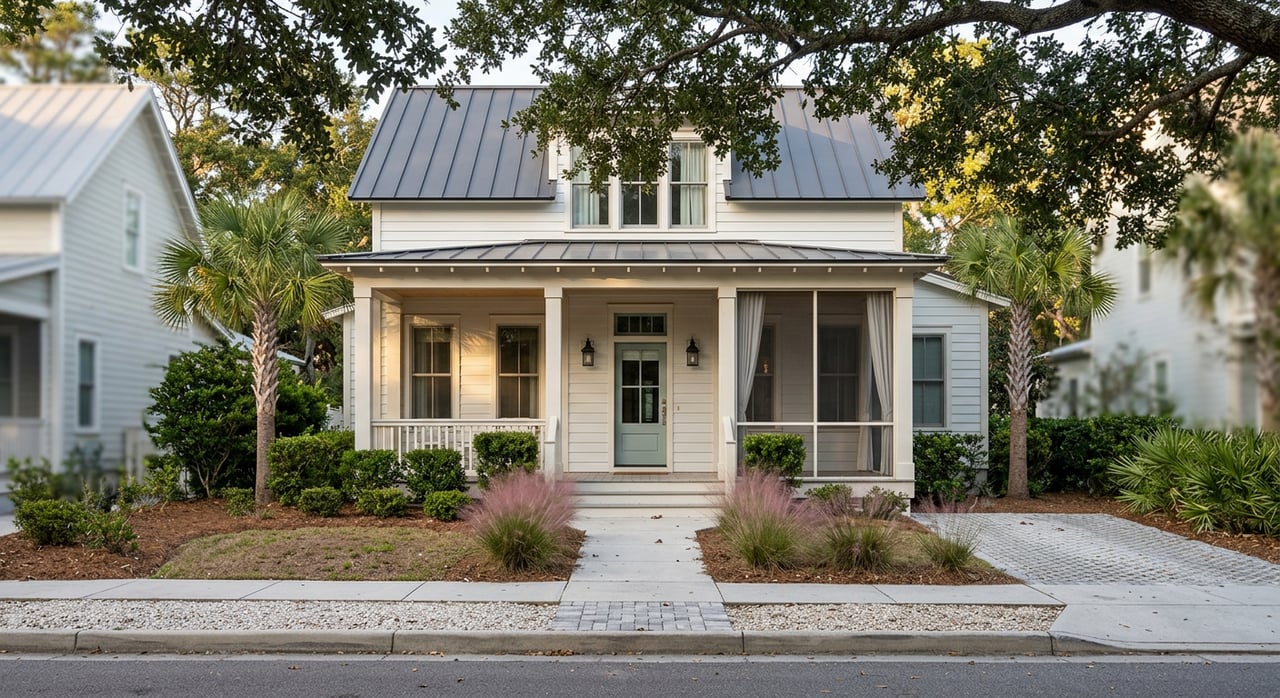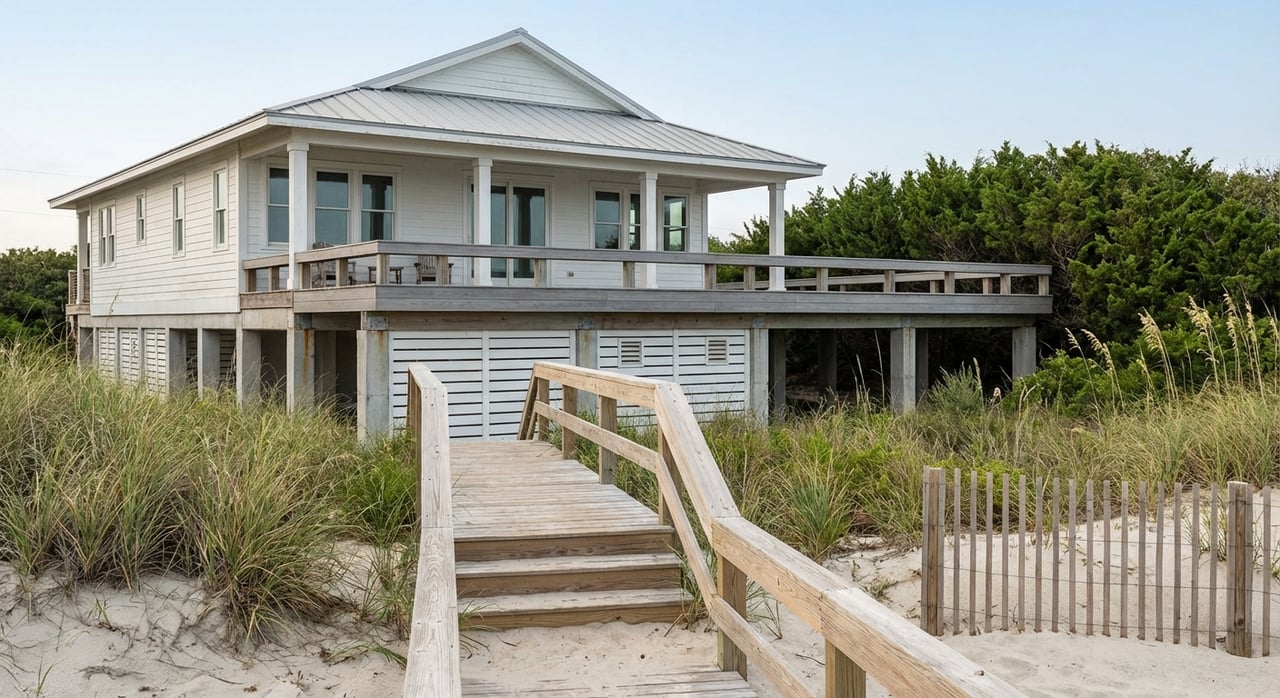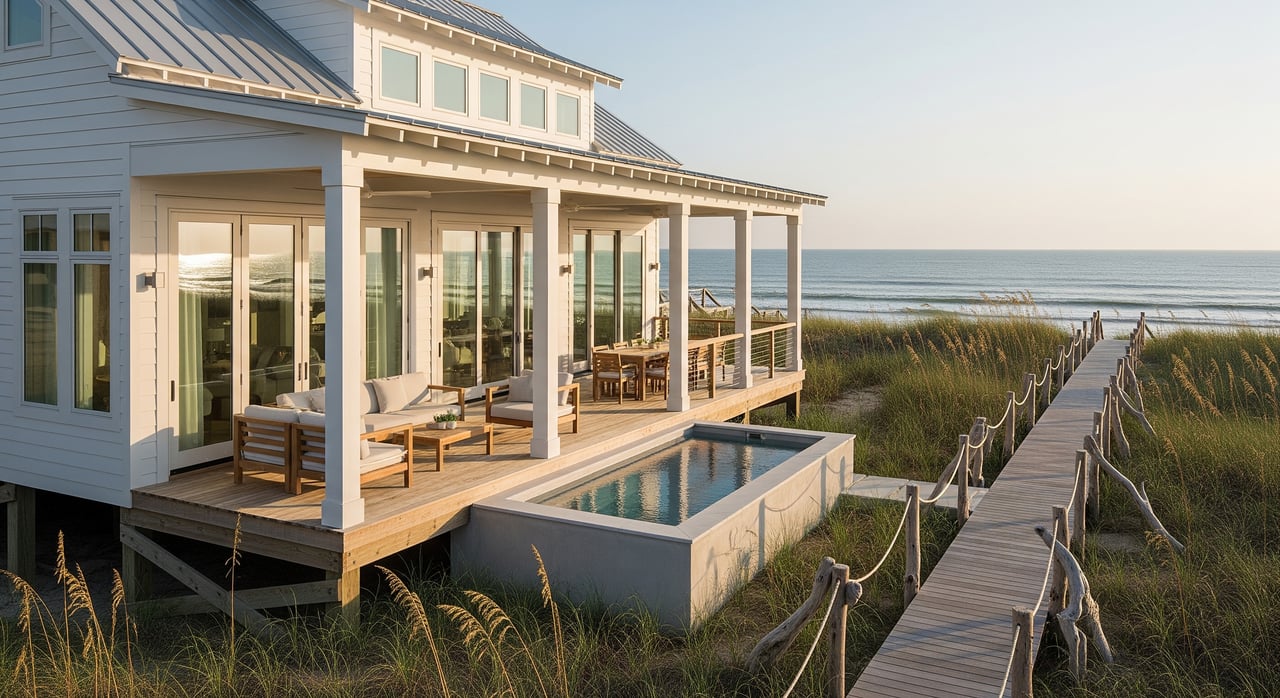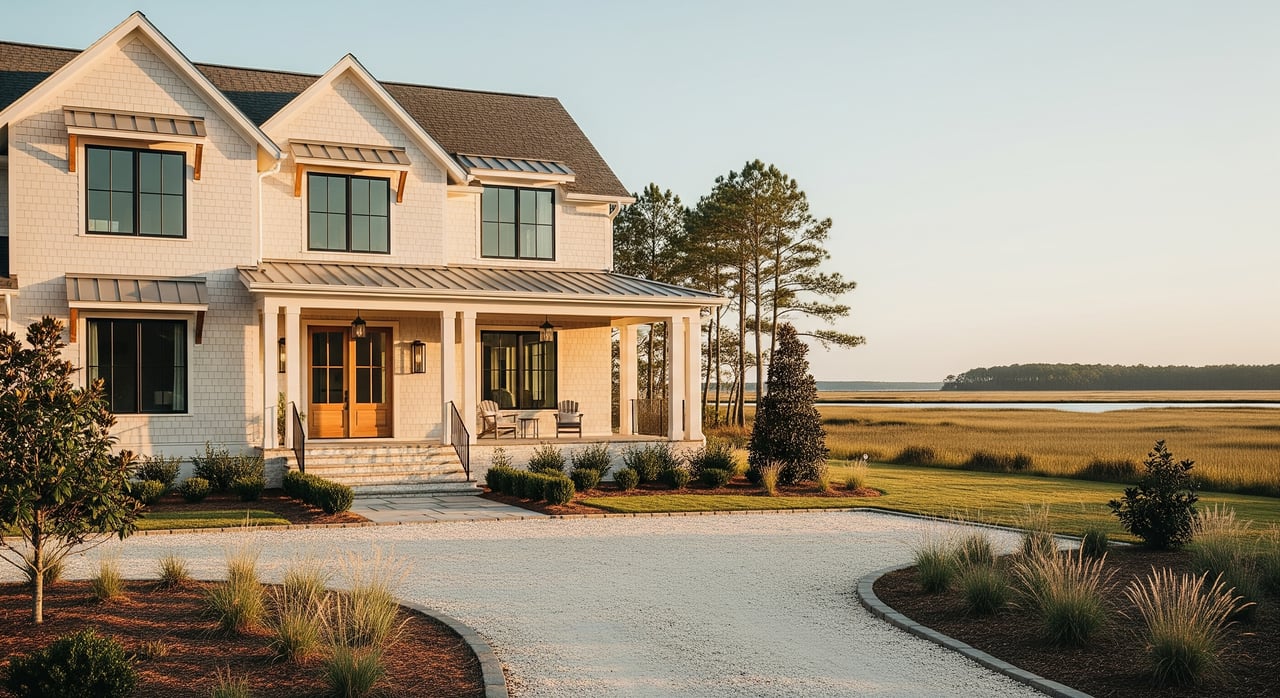
Thinking about building a new home in Havelock near MCAS Cherry Point? You are not alone. Many buyers choose new construction for modern layouts, energy efficiency, and the chance to pick finishes. In this guide, you will learn how new builds work locally, what timelines to expect, how VA loans fit in, and how to protect your investment with inspections and warranties. Let’s dive in.
Why build new in Havelock
Havelock’s proximity to MCAS Cherry Point creates steady housing demand from active-duty service members, civilian employees, and contractors. That demand supports a range of production and semi-custom builders. You will find inventory homes and build-to-order options in and around the city.
Coastal geography matters. Flood risk varies by neighborhood, so you should check applicable flood maps and ask whether a home requires flood insurance or an elevation certificate. Utility access also varies. Some subdivisions connect to public water and sewer, while outlying lots may use well and septic. Confirm service with the city or county before you finalize a lot.
Permits and inspections are handled by the City of Havelock or Craven County depending on location. Ask early which authority will issue permits for your specific lot so you understand the process and timeline.
New construction choices and timelines
Inventory or quick move-in homes
These are partially or fully built homes that can close in weeks to a few months. If you need to match PCS orders or a lease end date, inventory is often the fastest path to new construction.
Production build-to-order homes
Most subdivision builders in the area follow a production model. From contract to closing, plan on roughly 4 to 9 months when the lot and permits are already in place. Your selections and any change orders can adjust the schedule.
Semi-custom and custom homes
If you want more design control, expect 6 to 12 months or longer. Timelines vary with site work, plan complexity, and permitting pace.
What affects schedules in Havelock
- Permitting workload at the city or county
- Weather patterns, especially heavy rain and hurricane season
- Material and appliance lead times
- Lot readiness and soil conditions that influence foundation work
- Builder backlog, which can spike around PCS cycles
Financing and VA loan considerations
VA loans can work well for new construction, but you and your lender will need specific documentation. Some lenders and the VA require the builder to meet certain standards or be an approved builder. Confirm this upfront, especially if you are coordinating with PCS dates.
Ask two key questions early. Does the builder accept VA financing for your plan and lot. Does your lender have experience closing VA loans on new builds. Getting clear answers can help you avoid last-minute delays.
Step-by-step build process
Contract and initial deposit
You will sign a builder contract, reserve your lot, and pay an earnest or option deposit. Review deposit schedules, refund terms, and any milestone payments. Make sure you understand selection allowances and upgrade pricing.
Pre-construction and selections
This is when you choose finishes like flooring, cabinets, countertops, and paint. Builders set strict deadlines for selections. Missing a deadline can delay the schedule and may limit your options.
Permitting and site work
The builder pulls permits. Site work begins with grading, utilities, and septic if applicable. Ask which municipal office will inspect your home and when those inspections occur.
Foundation to framing
After footings and foundation are complete, framing begins. Structural inspections typically follow. You will see the floor plan take shape and rough openings for windows and doors appear.
Rough-ins and drywall
HVAC, plumbing, and electrical are installed, then inspected. After insulation and air barriers are checked, drywall is hung and finished. This is a critical stage for a pre-drywall inspection.
Trim, finishes, and exterior
Cabinets, counters, flooring, paint, fixtures, and landscaping go in. Confirm any back-ordered items and set expectations in writing for installation timing.
Final inspections and certificate of occupancy
Municipal inspectors complete final checks. A certificate of occupancy is typically required before closing and funding.
Final walkthrough, punch list, and closing
You and the builder walk the home, create a punch list, and set timelines for completion. Some items are fixed before closing and others shortly after. Clarify timelines in the contract.
Inspections you control
Even brand-new homes benefit from independent inspections. Hiring your own inspector gives you an extra layer of quality control.
Pre-drywall inspection
Your inspector reviews framing, rough plumbing, electrical, and HVAC before walls are closed. Catching issues early helps prevent repairs after finishes are installed.
Pre-final inspection
This inspection happens before your final walkthrough. It identifies cosmetic touch-ups, mechanical issues, and safety items so your punch list is complete and clear.
11-month warranty inspection
Near the end of your first year, a final inspection helps you compile items covered under the one-year workmanship warranty. Schedule time for repairs before the warranty period ends.
Warranties and how to use them
Many builders use a common 1-2-10 approach. That often means a 1-year limited warranty for workmanship and materials, a 2-year systems warranty for HVAC, plumbing, and electrical, and a 10-year structural warranty for major defects. Some builders use a third-party warranty administrator. Others manage warranty service directly.
Ask for the warranty terms in writing and confirm the start date. It often begins at closing or the date the certificate of occupancy is issued. The exact start date affects your claim window, so note it on your calendar.
Keep thorough records. Save your contract, selections, inspection reports, and dated photos. Submit warranty claims in writing and track response times. If a dispute arises, third-party administrators or local consumer protection resources can help. Service members can also seek guidance through base legal assistance.
New vs. resale: trade-offs for Havelock buyers
Advantages of new construction
- Customization of finishes and options
- New systems that can lower short-term maintenance
- Warranty coverage for peace of mind
- No near-term replacement of roof, HVAC, or major appliances
Potential trade-offs
- Longer time to move in unless you buy an inventory home
- Possible higher per-square-foot costs and HOA fees
- Limited price negotiation with production builders, though incentives do appear
- Younger neighborhoods may lack mature landscaping or finished amenities
PCS timing and practical tips
If you are aligning with PCS orders, consider inventory homes for faster closings. When building to order, add buffer time in case of weather or supply delays. Document upgrades and options to support the appraisal and confirm your lender’s requirements.
Remote and military buyer coordination
Clear communication is essential if you are buying from out of the area or working around a deployment or PCS.
- Confirm your primary builder contact and a backup contact
- Ask if the builder uses a portal or app and request photo or video updates tied to milestones
- Get selection deadlines and allowances in writing
- Schedule independent pre-drywall and pre-final inspections, and confirm access for your inspector
- Set expectations for punch-list response times and warranty procedures in the contract
- Approve changes and payments electronically and keep copies in one folder
Final walkthrough punch-list checklist
Use this quick checklist to stay organized during your walkthrough.
- Doors and windows: open, close, and latch; check weather seals and panes
- Floors and finishes: look for scratches, gaps, grout, and transitions
- Cabinets and hardware: ensure alignment and smooth operation
- Plumbing: run all faucets, check drains and water pressure, flush toilets, look for leaks
- Electrical: test switches, outlets, GFCIs, light fixtures, and garage opener
- HVAC: verify heating and cooling, thermostat function, and airflow
- Appliances: run each appliance and confirm manuals are present
- Exterior and grading: check drainage slope, gutters, siding, and driveway
- Safety: confirm smoke and CO detectors are installed and working
- Address and mailbox: verify numbers and mailbox access
How a local team supports your build
You deserve a smooth, predictable experience from contract to closing. A locally rooted buyer’s agent helps you review builder contracts, coordinate inspections, track deadlines, and advocate for your punch list and warranty items. If you are relocating or buying remotely, a dedicated team can facilitate video updates, selection reviews, and on-the-ground support so you always know what is happening.
When you are ready to explore inventory and new-build communities in and around Havelock, our team is here to guide your search, align timelines with your move, and keep every detail on track.
Ready to get started. Connect with the Copeland & Bernauer Real Estate Team for local guidance, structured timelines, and hands-on support from contract to keys.
FAQs
What is the typical timeline to build a home in Havelock?
- Inventory homes can close in weeks to a few months, production builds often take 4 to 9 months, and semi-custom or custom homes commonly run 6 to 12 months or longer.
How do VA loans work for Havelock new construction?
- VA loans can be used for new builds if the lender and builder meet VA requirements, so confirm builder acceptance and choose a lender experienced with VA new construction.
Do I still need an inspection on a brand-new home?
- Yes, schedule independent inspections at pre-drywall, pre-final, and near month 11 to catch issues early and preserve your warranty rights.
What is a 1-2-10 builder warranty?
- Many builders offer 1 year for workmanship and materials, 2 years for systems like HVAC and plumbing, and 10 years for major structural components.
How can weather and supply issues affect my build?
- Coastal rain, hurricane season, and material or appliance delays can extend timelines, so build in buffer time and confirm lead times in writing.
What should I look for during the final walkthrough?
- Focus on doors, windows, finishes, mechanical systems, appliances, drainage, and safety items, and put all punch-list items with target dates in writing.