Is living right on the water in Beaufort worth the premium, or will a home with easy water access fit your life better? If you are torn between instant dockside convenience and a lower‑maintenance setup near marinas and public launches, you are not alone. Choosing well comes down to how often you boat, your tolerance for coastal upkeep, and your comfort with insurance and permits on the Crystal Coast. In this guide, you will learn the key differences, day‑to‑day trade‑offs, and what to verify before you buy. Let’s dive in.
Waterfront vs water‑access basics
What counts as true waterfront
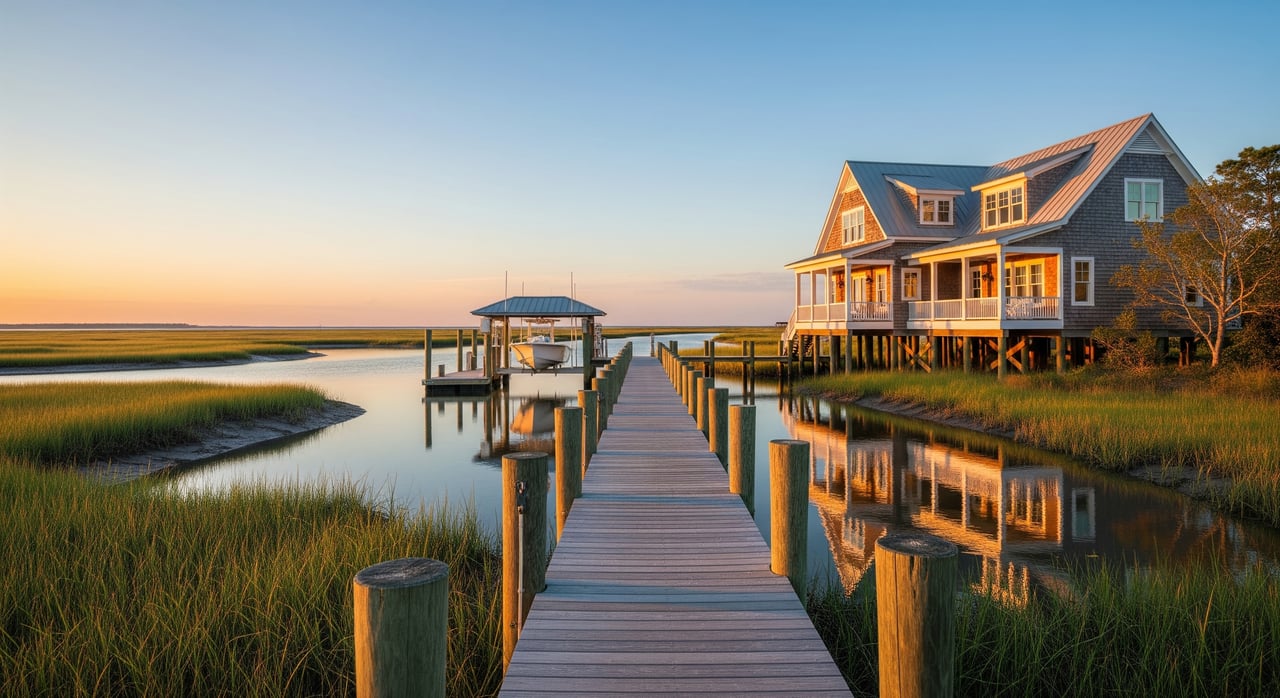
True waterfront in Beaufort means your lot touches open water, a creek, or a sound, and you typically have riparian rights. With the right permits, you may be able to build or maintain a private dock, pier, bulkhead, or boatlift. You step outside and you are at the shoreline. That direct connection shapes everything from your morning coffee view to how you prepare for storm season.
What counts as water‑access
Water‑access homes are not on the shoreline but sit close to marinas, community docks, or public boat launches. You still enjoy boating and paddling, but you trailer your boat, rent a slip, or use a shared facility. The lifestyle is flexible and usually lower maintenance, since you are not directly responsible for docks or shoreline structures on your own lot.
Beaufort waterways context
Beaufort sits where creeks, sounds, and the Intracoastal Waterway connect to the Atlantic. Barrier islands like Shackleford Banks and Cape Lookout shape local conditions, offering both sheltered estuaries and more exposed routes. Changing tides, shoaling near inlets, and shifting channels are part of life on the water. Storms and nor’easters roll through at times. These local factors influence everything from dock usability at low tide to how you plan day trips by boat.
Lifestyle trade‑offs
Daily convenience and views
- Waterfront: You enjoy instant access to your boat and daily sunrise or sunset views. Spontaneous fishing, paddling, or a quick cruise becomes part of your routine.
- Water‑access: You trade spontaneity for simplicity. You still get on the water often, but you add a short drive, slip rental, or trailering to the plan.
Noise, privacy, and activity
- Waterfront: Depending on location, you may experience boat traffic, wakes, or nearby activity around channels and popular areas. Many properties also enjoy privacy and wide vistas, which is a big draw.
- Water‑access: Neighborhoods near marinas can be lively, with services and amenities close by. You avoid wake activity at your back yard, since you are not on the shoreline.
Cost and resale considerations
- Waterfront: You typically pay a premium for direct frontage and views. Buyers who prioritize boating convenience and outlooks value these homes, which can help with resale when the property is well maintained and well permitted.
- Water‑access: You often spend less upfront and avoid private‑dock upkeep. Ongoing slip or storage fees can apply, but total carrying costs can be more predictable for many buyers.
Maintenance and upkeep
Docks, bulkheads, and lifts
If you own true waterfront, expect hands‑on care and periodic upgrades:
- Docks and piers: Inspect for rot or corrosion, replace decking as needed, and check pilings and hardware regularly. Saltwater accelerates wear.
- Bulkheads and shoreline armoring: Watch for undermining or scouring, and plan for reinforcement or reconstruction after severe storms if needed.
- Boatlifts and electrical: Schedule annual servicing. Marine electrical work should meet safety standards and local code.
- Permits and histories: Confirm that existing shoreline structures were properly permitted. Documentation affects replacement, insurance, and future improvements.
Home systems and landscape
Coastal exposure increases wear on exterior finishes, HVAC units, and metals. Coastal‑grade materials and more frequent repainting or replacement are common. Salt spray and wind call for regular cleaning and protective coatings. Keep a storm plan that outlines how you secure outdoor items, protect windows and doors, and stage quick prep before a named storm.
Septic, drainage, and utilities
Some properties rely on septic. Check proximity to municipal sewer, system age, service records, and soil and water table conditions. Drainage and grading can be complex in low‑lying or marsh‑adjacent areas, and improvements may require permits. Landscaping choices may be shaped by salt tolerance and tidal conditions.
Insurance and permits
Flood zones and Risk Rating 2.0
Many shoreline and near‑shore properties fall within FEMA‑mapped flood zones. Lenders usually require flood insurance in Special Flood Hazard Areas. Under FEMA’s Risk Rating 2.0, premiums reflect factors like elevation, distance to water, and building characteristics. An accurate elevation certificate can help underwriters and sometimes reduce premiums. Ask for recent flood information and consider how future map updates could affect your policy.
Windstorm, hurricane, and coverage details
Coastal homes often carry higher wind or hurricane deductibles. Some properties may require specialized carriers or separate wind coverage. Standard homeowners policies usually exclude flood, and coverage for docks or lifts can be limited or scheduled separately. You may earn mitigation credits for upgrades like impact‑rated doors and windows, hurricane straps, and elevating mechanical systems. Get documentation for any mitigation work.
Dock permits and riparian rights
In North Carolina, building or modifying docks, piers, boatlifts, or bulkheads typically requires permits through coastal management agencies, with possible involvement from federal authorities and local jurisdictions. Setbacks, length limits, and design standards vary by shoreline type and location. Environmental factors like marsh vegetation and submerged aquatic plants can shape what is allowed. Deed language, easements, HOAs, and community rules can impact private or shared dock rights. Ask for permits, compliance certificates, and repair records before you close.
Boating logistics
Owning a dock on the water
Immediate access is the biggest benefit. You can keep your boat on a lift or tied to your dock, plug into shore power, and handle light maintenance at home. Tidal cycles can set your departure or return windows in shallower creeks. Bridge clearances, local speed or wake restrictions, and draft limits may influence the size or type of vessel you keep.
Using marinas and public launches
If you choose water‑access, marinas offer seasonal or annual slips. Availability can be tight during peak times, so verify waitlists and contract terms early. Public launches are budget‑friendly, but trailering adds time for each trip. Factor in slip rentals, launch fees, trailer storage, and preferred boatyard services when you compare total costs.
Tides, draft, and depth planning
Local tides and shifting channels matter whether you own a dock or use a marina. Shallow areas can limit draft at low water. Check typical tidal ranges for your intended area, ask about dredging histories where relevant, and plan routes with seasonal conditions in mind.
Which choice fits your goals
Scenario A: Daily or serious boater
- Best fit: True waterfront with a well‑permitted private dock and dependable depth.
- Tradeoffs: Higher purchase and insurance costs, more storm preparation, regular dock maintenance.
Scenario B: Weekend or occasional boater
- Best fit: Water‑access near reliable marinas or a convenient public launch, with room for a trailer if needed.
- Tradeoffs: Slip or storage fees and extra time to launch.
Scenario C: Views and low maintenance
- Best fit: Waterfront with no private dock or a community/shared dock that reduces owner responsibility, or a near‑water home with strong views.
- Tradeoffs: You may pay for views but avoid dock upkeep. Review shared‑dock rules.
Scenario D: Investor or vacation‑rental focus
- Best fit: Properties that market well to vacationers, either for standout views or close marina access.
- Tradeoffs: Insurance and permitting may be more complex. Expect higher wear from guest turnover.
Buyer checklist for Beaufort
Before you write an offer, gather these details:
Flood and elevation
- What flood zone is the property in, and is there a recent elevation certificate? What is the finished floor elevation? Any history of flooding or drainage issues?
Shoreline and dock
- Who owns the dock, and is it documented? Were structures permitted, and when were they last inspected or repaired? Any easements or shared‑use rules? Any HOA policies affecting docks or shoreline changes?
Insurance and claims
- What are recent flood and homeowners premiums, and what are wind deductibles? Are docks or lifts covered or subject to separate limits? Any prior claims or loss history?
Navigation and boating use
- What depth is maintained off the dock or in nearby channels? Are there wake restrictions or common neighbor concerns? Is dredging required now or likely soon?
Utilities and septic
- Is the property on municipal sewer, or septic? If septic, what is the system age and service history, and are upgrades anticipated?
Permits and improvements
- Keep copies of permits and compliance documents for docks, bulkheads, living shorelines, elevation changes, and storm hardening.
Storm history and repairs
- Ask for contractor invoices, photos, or reports documenting post‑storm repairs and mitigation work.
How to compare total cost of ownership
When you budget, include more than just the mortgage:
- Acquisition price: Waterfront typically carries a premium for frontage and views.
- Insurance: Flood and wind coverage can vary widely with elevation, mitigation, and structure type.
- Maintenance: Docks, lifts, and bulkheads add recurring inspections and repairs. Coastal wear increases exterior and system upkeep.
- Boating costs: Slip rentals, launch fees, fuel, and trailering expenses differ by lifestyle.
- Potential improvements: Shoreline reinforcement, living shorelines, or dock upgrades may require permits and professional contractors.
Next steps on the Crystal Coast
If you are weighing true waterfront against water‑access, start with your boating frequency, your appetite for maintenance, and your comfort with insurance and permitting. From there, narrow your search to locations that fit your tidal needs, draft requirements, and desired views. Ask for elevation certificates, shoreline permits, and recent insurance details early. A little homework now will save time and surprise later.
You do not have to navigate this alone. As a boutique, locally rooted team with deep knowledge of Crystal Coast waterways, rental projections, and coastal logistics, we can help you match the right Beaufort property to your goals and budget. For clear guidance and full‑service representation, connect with the Copeland & Bernauer Real Estate Team.
FAQs
What is the difference between waterfront and water‑access in Beaufort?
- Waterfront means your lot borders the water and you typically have riparian rights and potential for a private dock, subject to permits. Water‑access means you use nearby marinas, public launches, or community docks instead of direct frontage.
How do tides affect daily boating in Beaufort?
- Tides can limit draft at low water, affect when you can launch or return, and shape which routes are safe. Plan trips around local tide cycles, especially in shallow creeks or near inlets.
What extra maintenance should waterfront owners expect?
- Regular dock and piling inspections, decking replacement, corrosion control, bulkhead monitoring, and annual service for lifts and marine electrical. Salt exposure also increases home exterior and HVAC upkeep.
Do I need flood insurance for a Beaufort home near the water?
- If your home is in a Special Flood Hazard Area, lenders typically require flood insurance. Premiums depend on elevation, distance to water, and building features under Risk Rating 2.0.
Can I build a new dock on a Beaufort waterfront lot?
- Possibly, but you will need permits from the appropriate coastal and local authorities, and your design must follow shoreline rules and environmental constraints. Confirm riparian rights and any HOA or easement limits.