If you love the idea of coastal living, Morehead City gives you two very different ways to enjoy it. You can wake up on the water with a dock, a view, and quick boating access, or you can choose an inland neighborhood with a more traditional ownership experience and still stay close to the waterfront. If you are trying to decide which path fits your budget, lifestyle, and long-term plans, this guide will help you compare the tradeoffs clearly. Let’s dive in.
Waterfront living in Morehead City
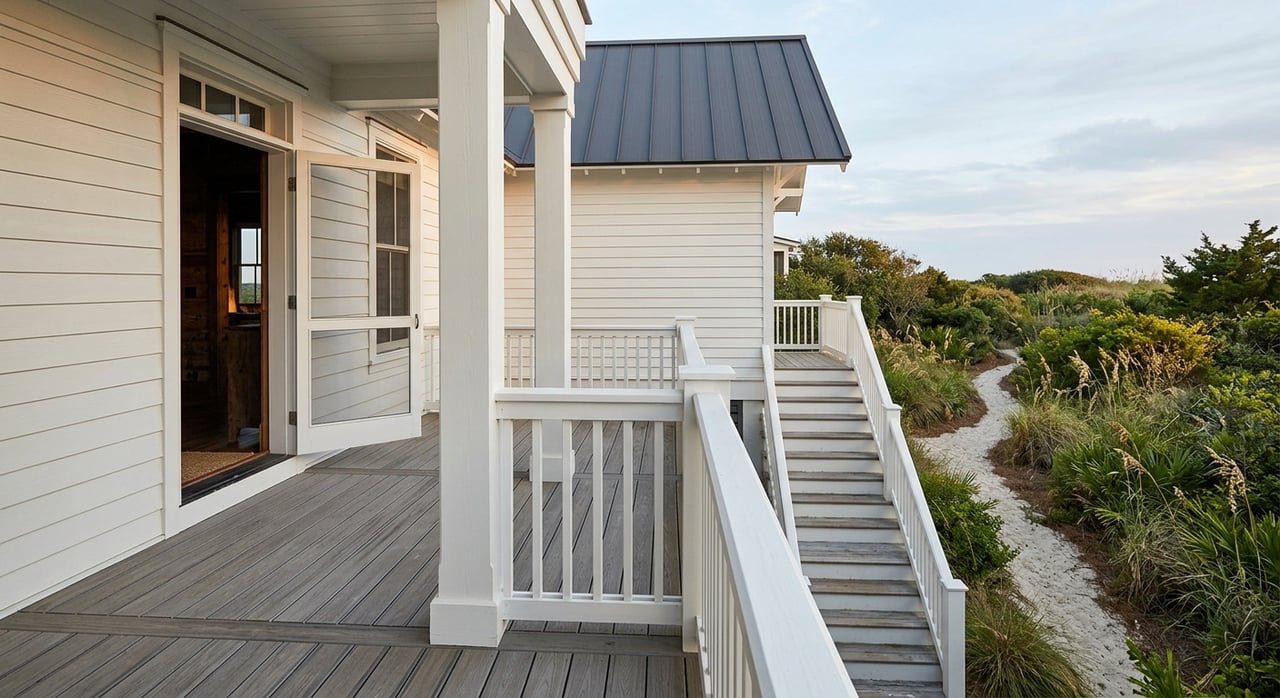
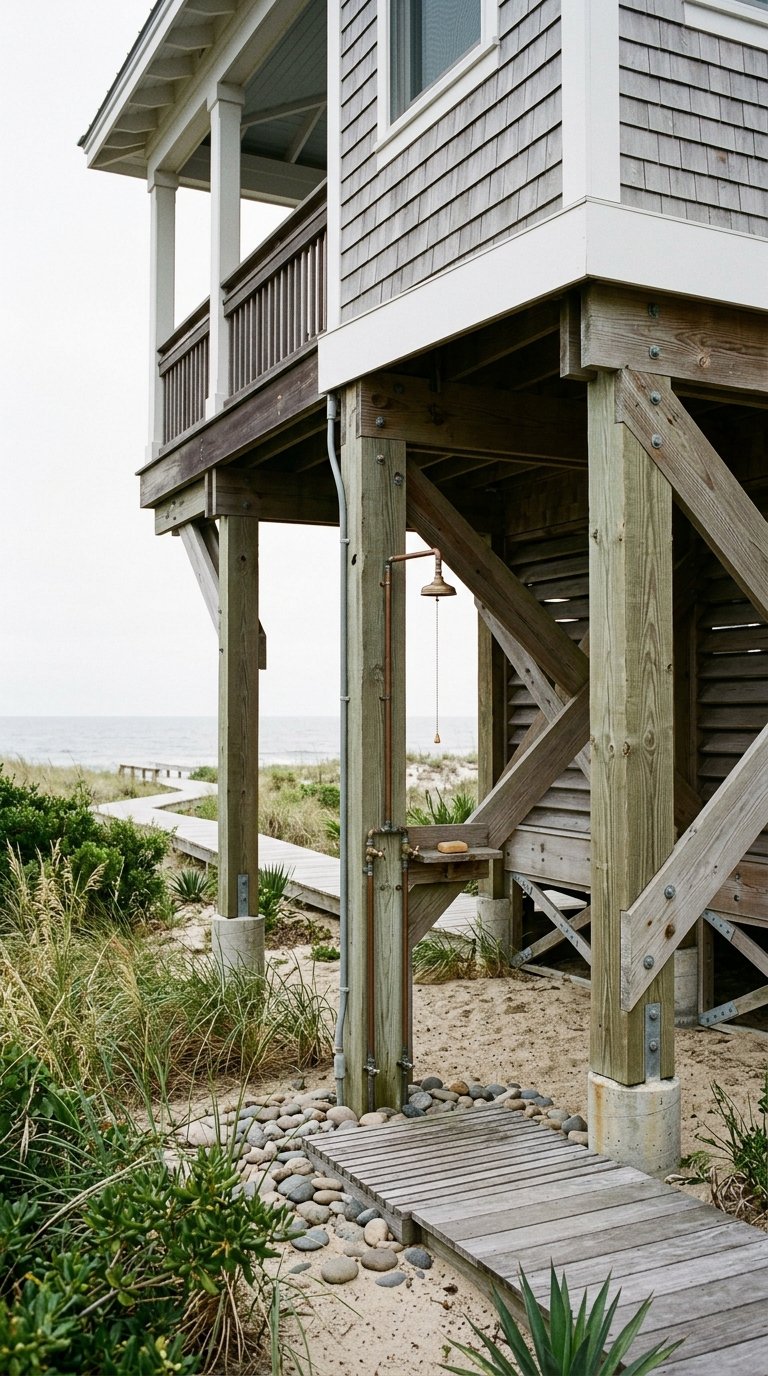
Waterfront living in Morehead City often appeals to buyers who want daily access to the water, not just a coastal mailing address. In many cases, you are paying for direct views, boating convenience, and features like docks, lifts, or shoreline improvements. That can be a strong fit if your lifestyle centers on time outside, on the water, or near downtown.
The local waterfront district adds to that appeal. Downtown Morehead City describes itself as a year-round waterfront community with shopping, dining, art, and events, and the Morehead City Docks offer a sheltered deep-water basin with 8- to 10-foot minimum depths at dockside. The city also notes that the docks are within walking distance of banks, churches, restaurants, the post office, shops, and Webb Library.
What waterfront homes often offer
Waterfront properties can bring a set of lifestyle features that are harder to match inland:
- Direct water views
- Potential private dock or pier access
- Faster boating access
- Closer connection to public waterfront spaces
- Walkable access to parts of downtown in some locations
That said, not every waterfront home delivers the same experience. In Morehead City, price and value can shift based on whether the property sits on open water, a canal, or a creek, along with lot depth, dock rights, and the age and style of the home.
What waterfront costs can look like
The price gap between waterfront and inland homes is real, but it is not one-size-fits-all. Zillow reports an average home value in Morehead City of $414,155, Realtor.com lists a median listing price of $542K, and Redfin reports a median sale price of $583K. Redfin also shows waterfront listings at a median listing price of $595K, which suggests waterfront homes often sit toward the upper end of the market.
Still, local sales show that inland homes can also reach higher price points. Recent examples in Brandywine Bay included sales around $465K, $490K, and $570K, while Country Club Run included sales around $440K, $558K, and $635K. On the waterfront side, examples ranged much higher, including properties around $2.17M and $2.55M, which shows how wide the spread can be.
Inland living in Morehead City
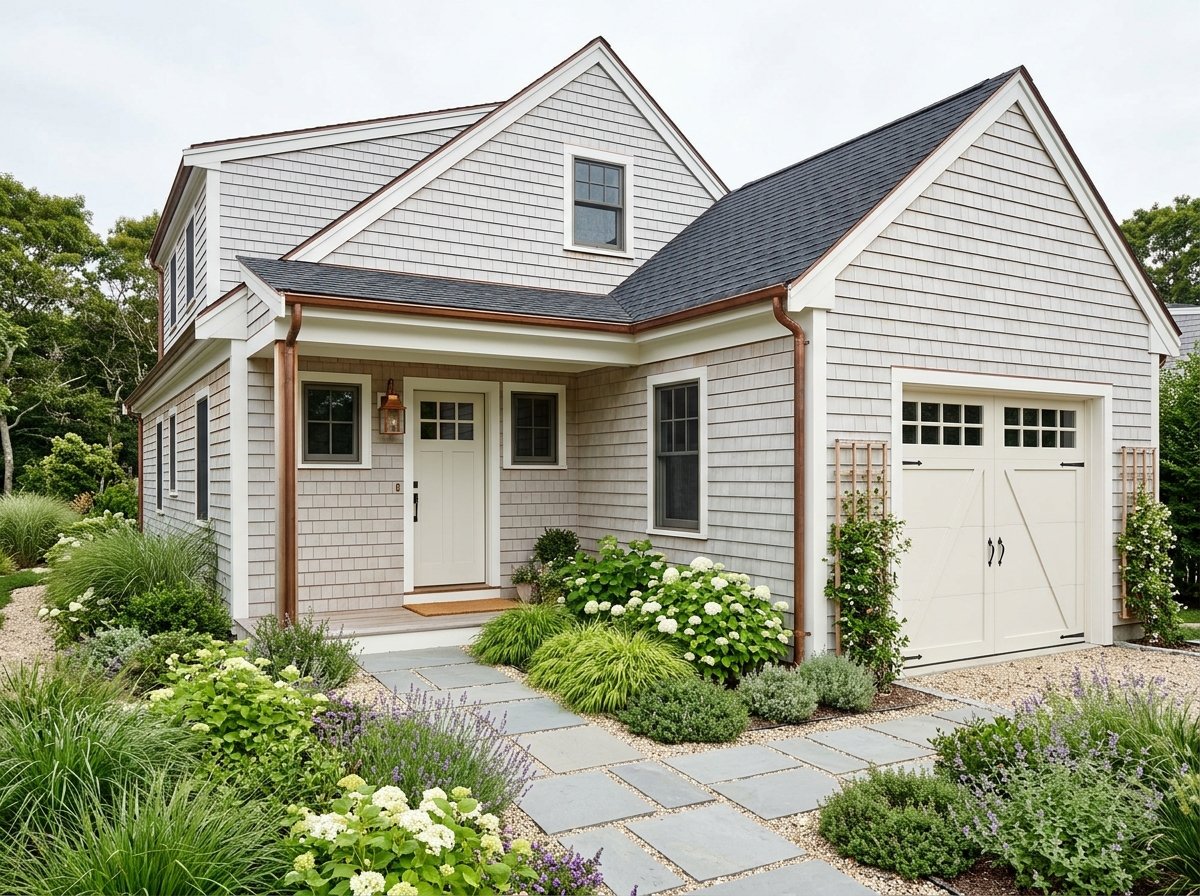
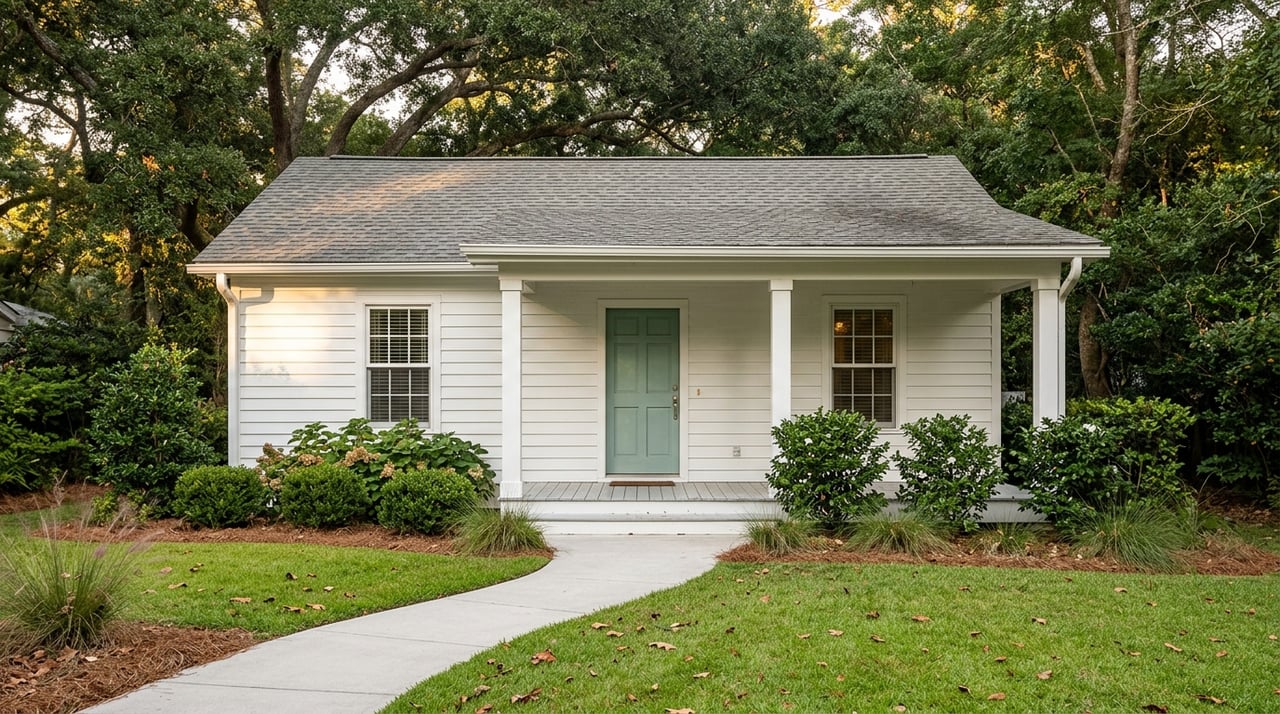
Inland living gives you a different version of the Morehead City lifestyle. You may give up direct water access or a private dock, but you can still stay close to shopping, schools, medical services, golf, and the public waterfront. For many buyers, that balance feels easier to manage day to day.
This option can work especially well if you want a primary residence, a simpler maintenance routine, or more flexibility in price point. Inland neighborhoods also span a wide range, from condos to golf community homes to more residential settings just outside city limits.
What inland homes often offer
Inland homes tend to appeal to buyers who want a more standard house-and-lot ownership model. Instead of planning around shoreline structures, you are more likely focused on the home itself, the lot, and neighborhood features.
Depending on the area, inland living may include:
- Easier day-to-day maintenance
- Residential street settings
- Golf or subdivision amenities in some neighborhoods
- A broader range of price points
- Continued access to the city waterfront, shops, and services without direct waterfront ownership costs
For example, Brandywine Bay is described as a gated golf community, while Country Club Run emphasizes a more suburban residential setting. Brooke Woods is described as a quiet pastoral setting outside city limits but still close to restaurants, shopping, schools, medical providers, golf, and the beach.
Inland pricing can still be competitive
One common mistake is assuming inland automatically means budget-priced. That is not always true in Morehead City. Cedarwood Village condos sold roughly in the $233K to $354K range, but single-family inland neighborhoods have recent sales well above that.
That range is helpful if you are trying to match lifestyle with budget. Inland homes can offer more entry points into the market, but some inland neighborhoods also compete with waterfront pricing depending on size, condition, and location.
Flood risk is a key difference
Flood planning matters whether you buy on the water or farther inland. Morehead City says flooding can come from coastal tidal flooding, riverine flooding, or flash flooding, and the city estimates a 26% chance that a property will experience a base flood over the life of a 30-year mortgage. That is why flood questions should be part of your search from the start, not something you save for the last week before closing.
The city encourages buyers to check whether a property is in a Special Flood Hazard Area, repetitive-loss area, dam inundation area, seaward of the LiMWA, or another mapped flood-risk area. Morehead City also maintains revised flood insurance rate maps and an interactive flood-map update page, so the exact address matters more than a general neighborhood assumption.
Why exact address research matters
Two homes that feel similar can have very different flood considerations. If a property is in the Special Flood Hazard Area, Morehead City requires floodplain development permits and says the lowest floor, including basement, must be at least 1 foot above base flood elevation.
FEMA identifies higher-risk Special Flood Hazard Areas as Zones A, AE, and coastal V or VE zones, while lower-risk areas are typically Zone X. FEMA also notes that Zone VE includes added wave hazard and calls for more stringent building practices. Even outside these higher-risk areas, there is no true no-risk zone.
Insurance can change the math
For many buyers, the real cost difference between waterfront and inland living shows up in insurance. North Carolina DOI states that standard homeowners insurance does not cover flood damage. It also warns coastal buyers that windstorm and hail coverage may be excluded from the main policy and, if written separately, may come with its own deductible through the North Carolina Insurance Underwriting Association.
Flood insurance timing matters too. NFIP flood coverage generally has a 30-day waiting period before it becomes effective, which is another reason to get quotes early.
Questions to ask before you buy
Before you move forward on either a waterfront or inland home, it helps to verify:
- The exact flood zone for the address
- Elevation requirements that may apply
- Flood insurance quote details
- Wind and hail coverage details
- Whether dock, pier, lift, or bulkhead permits apply
- Whether the property is subject to a current or preliminary map change
These details can affect not just monthly cost, but also renovation plans, future resale, and peace of mind.
Maintenance is usually higher on the water
A waterfront home is often more than a house with a view. It may also include docks, piers, lifts, bulkheads, and shoreline stabilization features that need inspection, repair, or replacement over time. That is one of the clearest practical differences between waterfront and inland ownership in Morehead City.
North Carolina Sea Grant notes that bulkheads can be cheaper to install but may cost about four times as much to maintain as other options over time. It also says bulkheads have an expected life of about 25 years, depending on material, location, and upkeep.
Shoreline upkeep adds a layer of ownership
Sea Grant recommends seasonal inspections and reports that living shorelines are often easier and less expensive to maintain. Annual maintenance may run up to $100 per linear foot for living shorelines, compared with upwards of $500 per linear foot for bulkheads and revetments.
NOAA also advises that coastal projects should plan for wetter conditions, more frequent flooding, higher groundwater tables, and more salt exposure. In real life, that can mean more attention to corrosion-resistant materials and more frequent upkeep. If you are comparing the two lifestyles honestly, waterfront ownership is often a view plus infrastructure purchase.
Lifestyle fit matters as much as price
If you picture yourself walking to the waterfront, keeping a boat nearby, or making water access part of everyday life, waterfront living may be worth the added cost and planning. The extra investment can make sense for buyers who will use those features often, especially second-home buyers or those focused on boating access.
If you want a coastal lifestyle with fewer moving parts, inland living may feel like the better fit. You can still enjoy Morehead City’s public waterfront, downtown amenities, and local services while keeping ownership more predictable.
Waterfront may fit you if
- You want direct water access or private docking potential
- You value water views enough to pay more for them
- You are comfortable budgeting for flood insurance and shoreline upkeep
- You want boating convenience built into your property choice
Inland may fit you if
- You want a simpler ownership experience
- You prefer a wider range of home styles and price points
- You want to stay close to the coast without maintaining waterfront infrastructure
- You are buying a primary residence and want day-to-day practicality
There is no universal right answer in Morehead City. The better choice is the one that fits how you plan to live, what you want to maintain, and how you want your housing costs to work over time.
Whether you are drawn to a dock out back or a more traditional neighborhood close to the waterfront, local guidance makes a big difference in Morehead City. The right home is not just about the view or the price. It is about understanding flood maps, insurance, maintenance, access, and how each location supports your goals. If you want help comparing options with a local perspective, connect with the Copeland & Bernauer Real Estate Team.
FAQs
Is waterfront living in Morehead City worth the extra cost?
- It can be worth it if you will regularly use the views, boating access, dock features, or downtown waterfront convenience, but you should also budget for flood insurance, wind coverage questions, and shoreline maintenance.
Can inland living in Morehead City still feel coastal?
- Yes. Inland homes can still be close to the downtown waterfront, shopping, public docks, schools, and beaches, even if they do not offer private water access or direct views.
What should buyers verify before closing on a Morehead City waterfront or inland home?
- Buyers should confirm the exact flood zone, elevation requirements, flood and wind insurance details, any dock or bulkhead permits, and whether the property is affected by a current or preliminary flood-map change.
Do homes outside a mapped floodplain in Morehead City still need flood planning?
- Yes. North Carolina DOI says flood insurance is worth considering near the coast even outside a designated flood plain, and FEMA states there is no true no-risk zone.
Are waterfront homes always much more expensive than inland homes in Morehead City?
- Not always. Waterfront homes generally trend higher, but Morehead City has a wide price range, and some inland neighborhoods also post upper-market sales depending on location, size, and condition.