Torn between a low‑maintenance condo and a place with room to spread out near the sand? Buying on a barrier island like Atlantic Beach adds extra layers to the decision, from flood insurance to HOA rules and rental potential. You want a place that fits your lifestyle and your budget without surprises. In this guide, you’ll compare condos and single‑family homes through a coastal lens so you can choose with confidence. Let’s dive in.
What you own: condo vs house
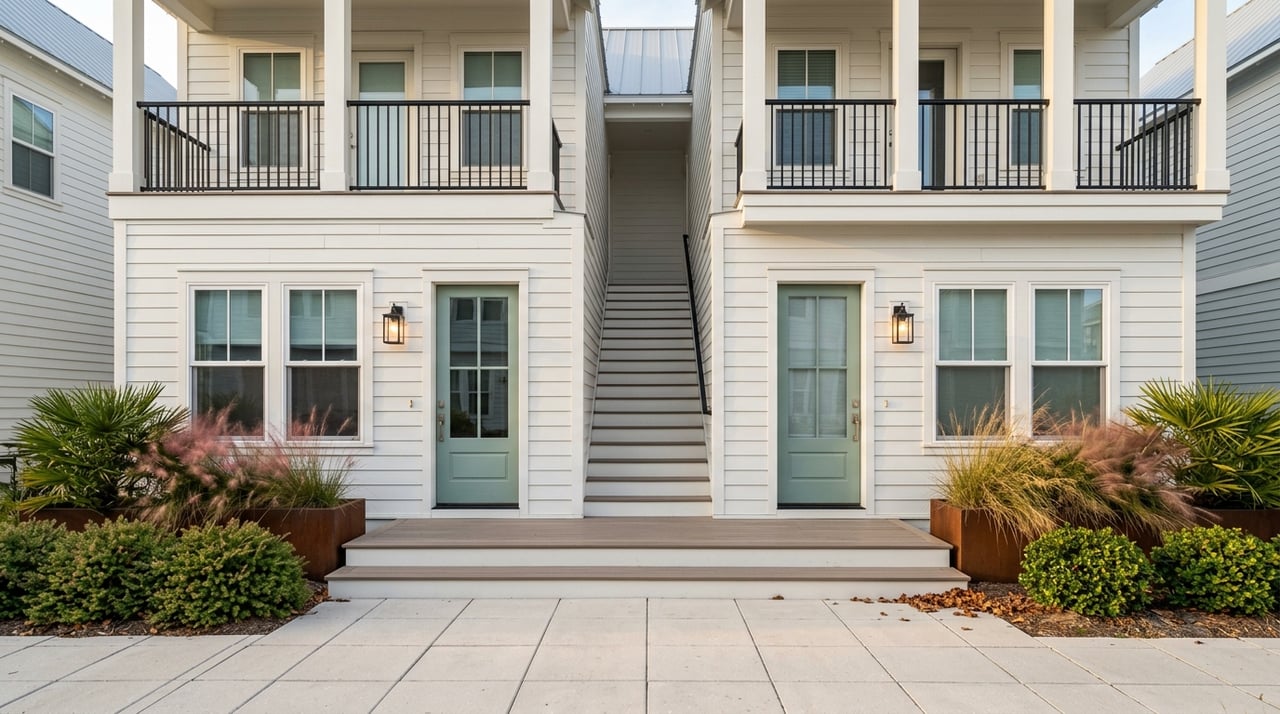
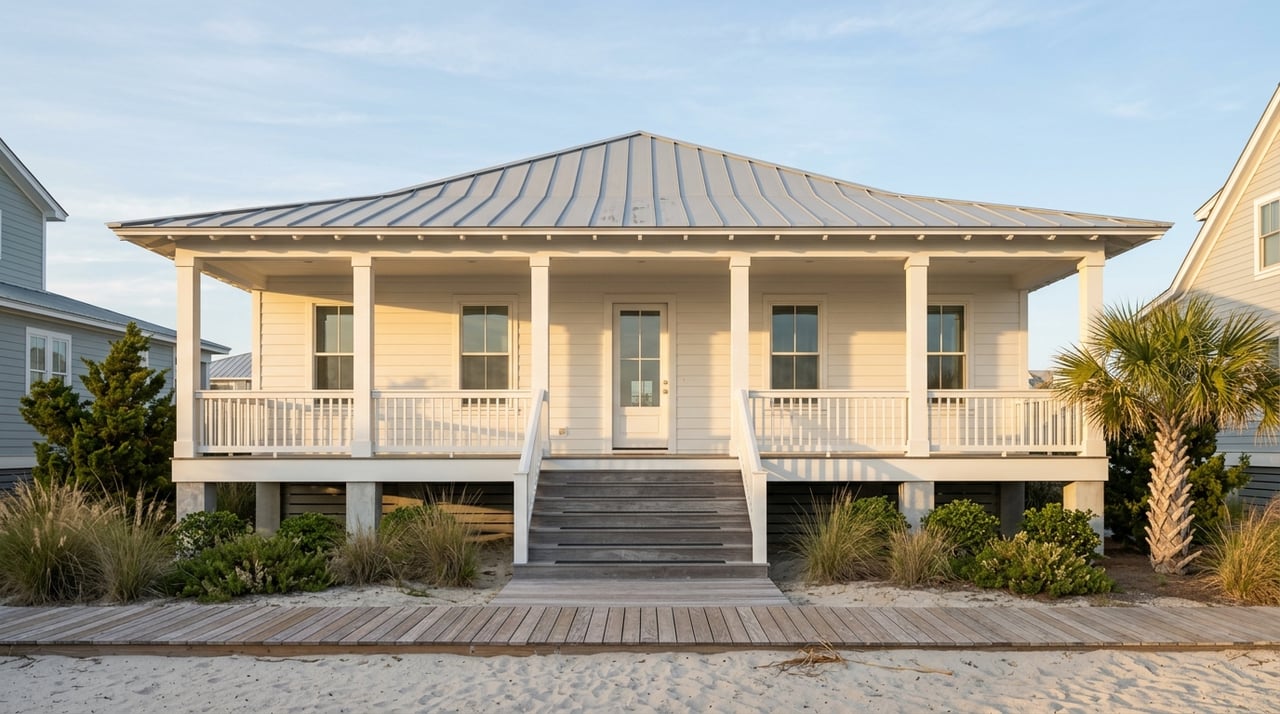
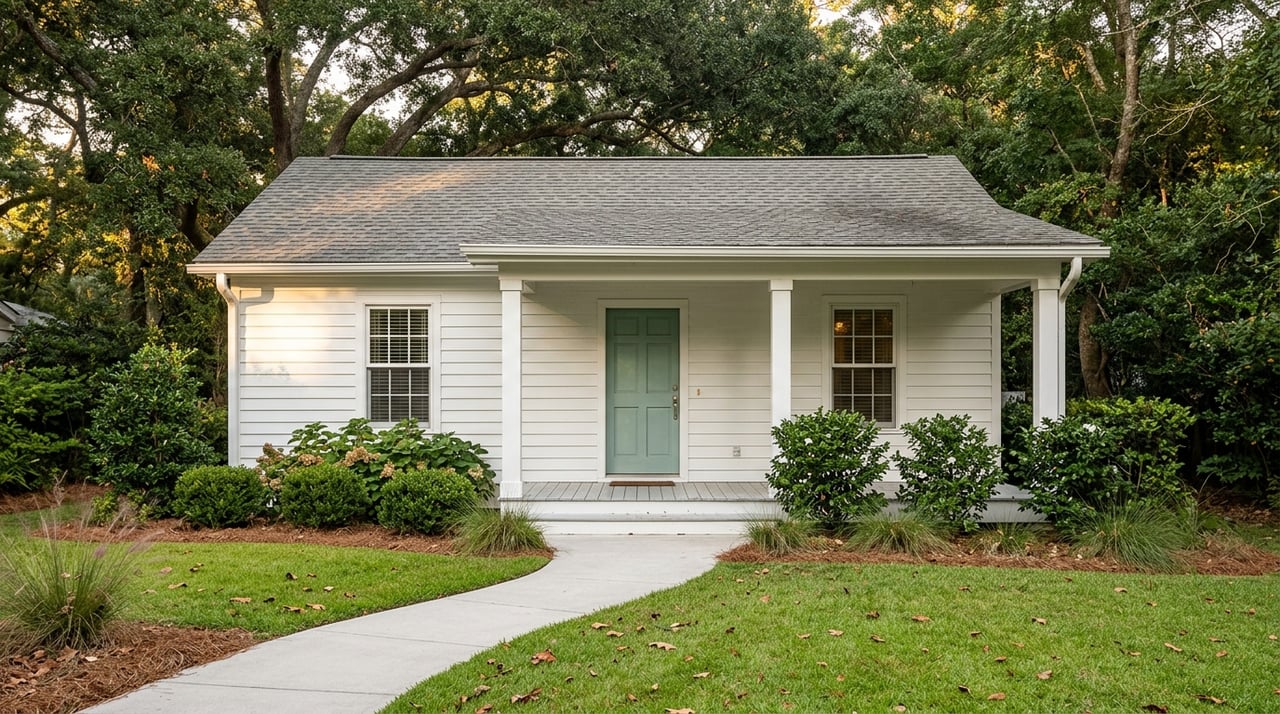
In a North Carolina condo, you own your individual unit plus a shared interest in the building’s common elements. The association manages those common areas under the condominium declaration and bylaws. In a single‑family home, you typically own the land and the structure in fee simple; some neighborhoods include an HOA, while many older island lots do not.
Both options work well at the beach, but they come with different responsibilities, costs, and rules. Knowing those differences is the first step to finding the right fit in Atlantic Beach.
Costs and maintenance in Atlantic Beach
Atlantic Beach properties live with wind, salt, and storms. How upkeep is handled often becomes the deciding factor.
Condo ownership: what to expect
- Pros
- Most exterior items are handled by the association. That often includes the roof, siding, exterior paint, landscaping, elevators, parking lots, and common‑area flood cleanup.
- Good for lock‑and‑leave use if this is a second home or seasonal spot.
- Cons
- Monthly HOA dues can be significant because they often fund insurance, reserves, and future repairs. Special assessments can occur after storm damage or when reserves are low.
- You have limited control over exterior upgrades and timelines for major projects.
Single‑family homes: what to expect
- Pros
- Full control over your property. You can manage landscaping, decks, docks or bulkheads, outdoor showers, and other features that may appeal to renters or guests.
- Fewer community rules if the home is not part of an HOA.
- Cons
- You handle all exterior maintenance, storm prep, and post‑storm cleanup. Coastal exposure can increase routine costs due to salt corrosion and wind events.
- Budget for periodic major repairs, especially on ocean‑ or sound‑side homes.
HOA scope and health: what to check
Condo associations in Atlantic Beach commonly cover roofs, siding, exterior maintenance, elevators, parking, landscaping, and insurance for common elements. Some include utilities. If a single‑family home is in an HOA, the scope is usually lighter and may cover only common areas or private roads.
For any condo, review before you offer:
- Declaration and CC&Rs, bylaws, and articles of incorporation
- Current budget, reserve study, and any recent audit or treasurer’s reports
- Meeting minutes for signs of deferred maintenance, planned assessments, or litigation
- Insurance certificates for the master policy and fidelity coverage
- Rules on rentals, pets, parking, and use of amenities
For houses, gather:
- Property survey and any elevation certificate
- Records for septic or well if applicable, plus permits for additions
- Seawall or bulkhead permits and repair history
- Any HOA covenants if the home is in a subdivision
Healthy reserves, clear meeting notes, and well‑maintained common areas are good indicators for condos. For houses, proper permits and maintenance records can protect value.
Insurance and coastal hazards
Much of Atlantic Beach lies in FEMA Special Flood Hazard Areas. If you use a mortgage and the property is in a mapped flood zone, lenders require flood insurance. Even outside high‑risk zones, many owners choose to carry flood policies on the coast.
Key points to verify at the property level:
- Flood insurance. Premiums vary widely by elevation, construction type, and location. Elevated homes and buildings may see different pricing than ground‑level structures.
- Master policy vs. unit policy for condos. Associations typically insure common elements. Many require owners to carry an HO‑6 policy for interior finishes and contents and to pay their share of the master flood and wind policies through dues.
- Wind and hurricane coverage. Coastal policies often have higher deductibles tied to named storms. Some insurers require mitigation features such as hurricane straps, shutters, or elevated utilities.
For both condos and houses, ask sellers and associations about past storm impacts and recovery timelines. This helps you gauge risk, downtime, and likely costs.
Financing and resale considerations
Condos and houses finance differently on the coast.
- Condos. Many lenders follow project‑level standards that look at reserve levels, owner‑occupancy ratios, litigation, and special assessments. High dues or large assessments can affect your qualification. Projects with heavy short‑term rental use may face extra scrutiny.
- Single‑family homes. Usually simpler because there is no condo project approval. Flood insurance requirements and coastal appraisals still apply.
- Both. Lenders and appraisers with Carteret County coastal experience can help you navigate insurance, elevation, and market comps. In some cases, insurance availability and costs influence loan terms.
For resale, buyers weigh condition, insurance costs, flood risk, HOA health, and location. Oceanfront condos can command premiums but may be sensitive to insurance and storm‑related assessments. Single‑family homes on higher ground or with flexible use can appeal to a wider buyer pool.
Rental use and income potential
Atlantic Beach sees strong seasonal vacation demand. Either property type can work for rentals, but rules matter.
- Short‑term rentals. Confirm the association’s rental policy for condos and any neighborhood covenants for houses. Check Town and County requirements for registration, occupancy taxes, and any inspections or licensing.
- Long‑term rentals. Single‑family homes may be simpler to operate for year‑round tenants. Condos can be suitable if the community allows it.
- Costs to plan for. Property management, cleaning and linens, maintenance between guests, and potential downtime after storms. Rental income is taxable, and occupancy taxes apply to short stays.
If rental performance is part of your goal, review seasonal demand patterns and realistic expense assumptions before you buy.
Lifestyle fit and amenities
Your day‑to‑day experience can feel very different in each option.
Condo lifestyle
- Pros
- On‑site amenities such as a pool, elevators, and lounges. Some buildings are close to beach access points and local destinations.
- Easy lock‑and‑leave for remote owners, sometimes with on‑site management.
- Cons
- Less private outdoor space and limited storage for boats or large gear. You may experience shared walls, elevator reliance, and parking limits.
Single‑family lifestyle
- Pros
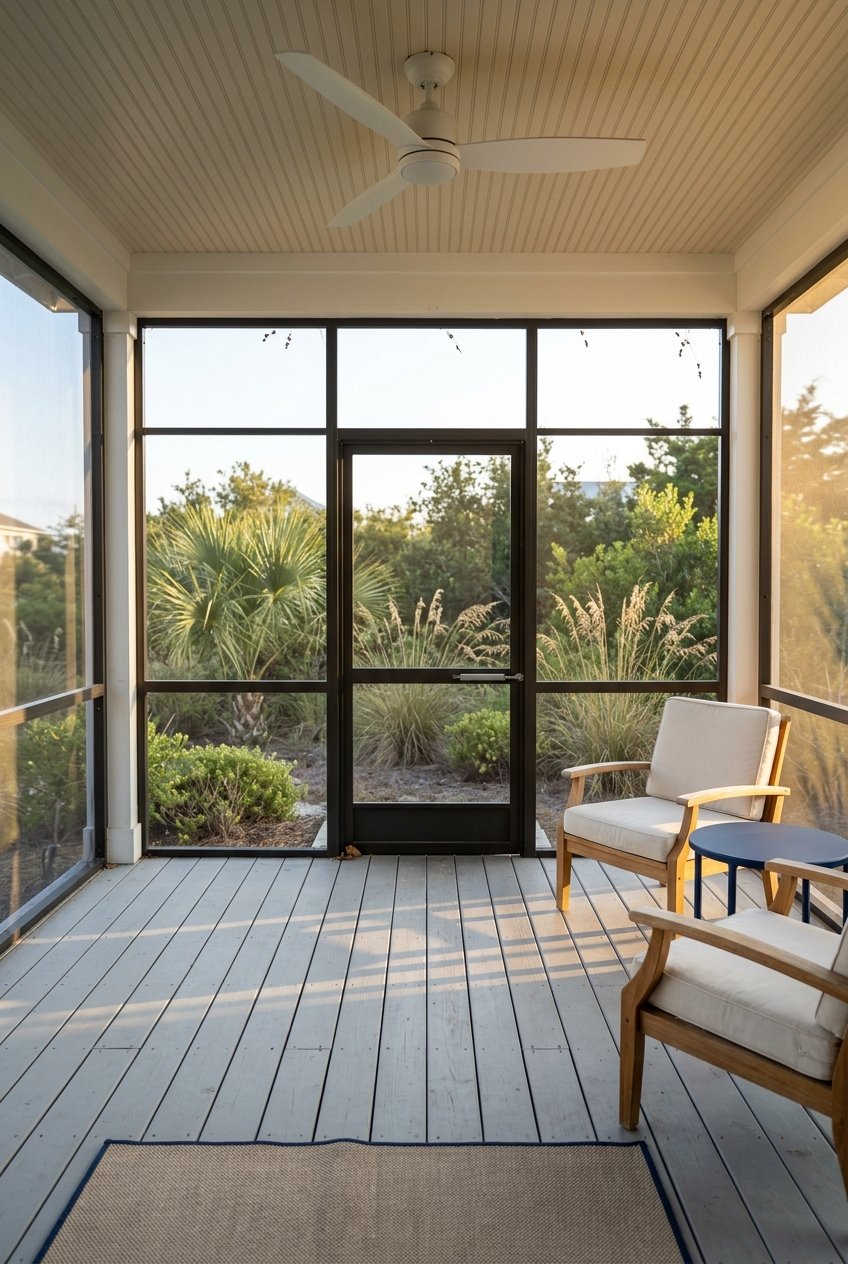
- More privacy and outdoor living potential with yards, decks, and balconies. Space for boats and vehicles may be easier to arrange.
- Flexible for pets and gatherings in your own space.
- Cons
- Higher hands‑on responsibility for storm prep, landscaping, and exterior care.
Long‑term coastal factors
Atlantic Beach is a barrier‑island environment. Sea‑level rise, shoreline change, and storm patterns are part of the long view. Buyers increasingly look at elevation, erosion history, municipal coastal management, and association maintenance plans. Whether you choose a condo or house, factor climate exposure into your budget, insurance planning, and holding period.
Decision checklist for Atlantic Beach buyers
Use this before you write an offer.
For any property
- Confirm location on FEMA flood maps and note the base flood elevation
- Request quotes for flood and wind policies, including hurricane deductibles
- Talk with lenders about loan options for that specific address and property type
- Review recent Atlantic Beach sales and seasonal patterns that affect pricing
For condos
- Review condo declaration, bylaws, CC&Rs, budget, and reserve study
- Read recent meeting minutes and ask about planned assessments or litigation
- Confirm master policy coverage, your HO‑6 needs, and any flood deductibles
- Verify rental rules and any local registration or occupancy‑tax requirements
For single‑family homes
- Obtain a survey; ask for an elevation certificate if available
- Review permits for additions and any septic or well records
- Inspect seawalls or bulkheads and ask about erosion or repair history
- Verify utilities and any neighborhood covenants if an HOA exists
How to choose: quick scenarios
- If you want the easiest lock‑and‑leave setup with amenities, a condo may fit best, as long as you are comfortable with dues and community rules.
- If you want privacy, outdoor space, and flexibility for upgrades or boat storage, a single‑family home may be the better match, with a higher hands‑on maintenance load.
- If rental income is important, compare each property’s specific rental policy, seasonality, and realistic net numbers before you decide.
Work with a local guide
Choosing between a condo and a house in Atlantic Beach comes down to your tolerance for maintenance, your insurance budget, and how you plan to use the home. You do not have to figure it out alone. The Copeland & Bernauer team brings hyper‑local coastal experience, rental‑projection insight, and full‑service representation to help you weigh options property by property.
If you are ready to compare specific addresses, explore rental potential, or understand flood and wind costs before you offer, connect with the Copeland & Bernauer Real Estate Team. We are here to help you buy confidently on the Crystal Coast.
FAQs
What are the main cost differences between condos and houses in Atlantic Beach?
- Condos often have lower purchase prices but add monthly HOA dues and potential special assessments; houses avoid condo dues but carry full exterior maintenance and can see higher ongoing costs from coastal exposure.
Will my lender require flood insurance in Atlantic Beach?
- If the home or building sits in a FEMA Special Flood Hazard Area and you use a mortgage, your lender will require flood insurance; many owners choose coverage even outside high‑risk zones.
Are Atlantic Beach condos harder to finance than houses?
- Condos can involve project‑level underwriting that looks at reserves, owner‑occupancy, and litigation; single‑family homes usually avoid project approval and are simpler to finance.
Can I operate a short‑term rental in a condo or house?
- Possibly; confirm HOA or condo rules first, then check Town and County requirements for registration, occupancy taxes, and any licensing or inspections.
What should I review in a condo association before making an offer?
- Study the declaration, bylaws, budget, reserve study, insurance certificates, and recent meeting minutes, and ask about planned assessments, rental limits, and pet or parking rules.
How do storms affect resale on the Crystal Coast?
- Buyers look closely at elevation, insurance costs, storm history, and HOA health; oceanfront condos can command premiums yet be sensitive to assessments, while well‑situated single‑family homes can appeal to a broader buyer pool.