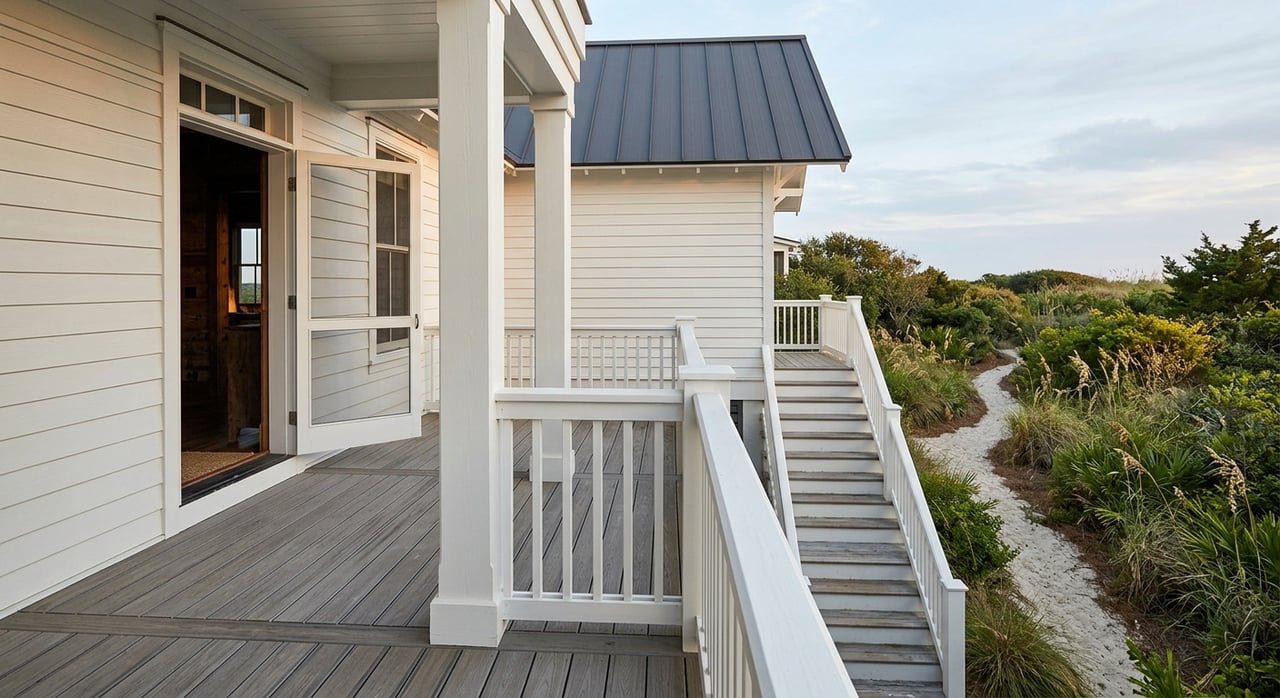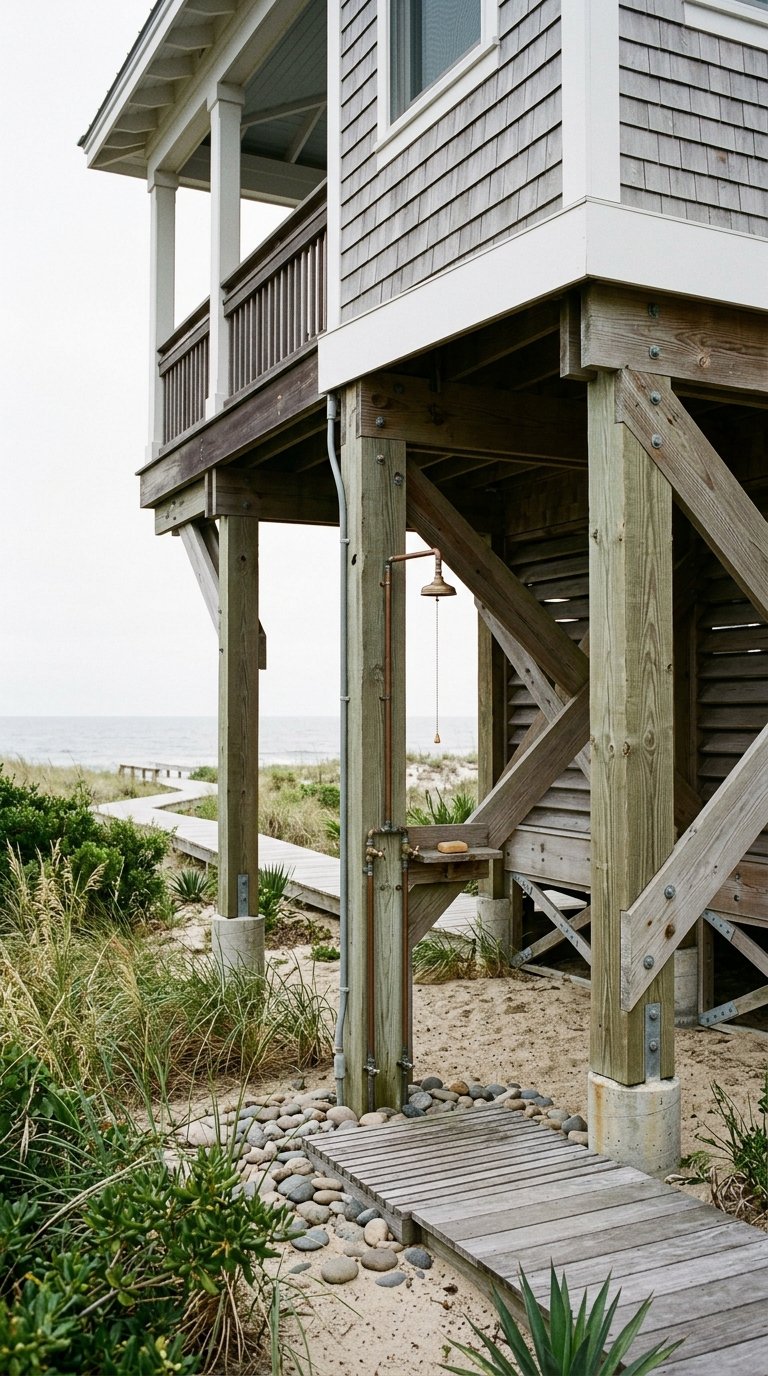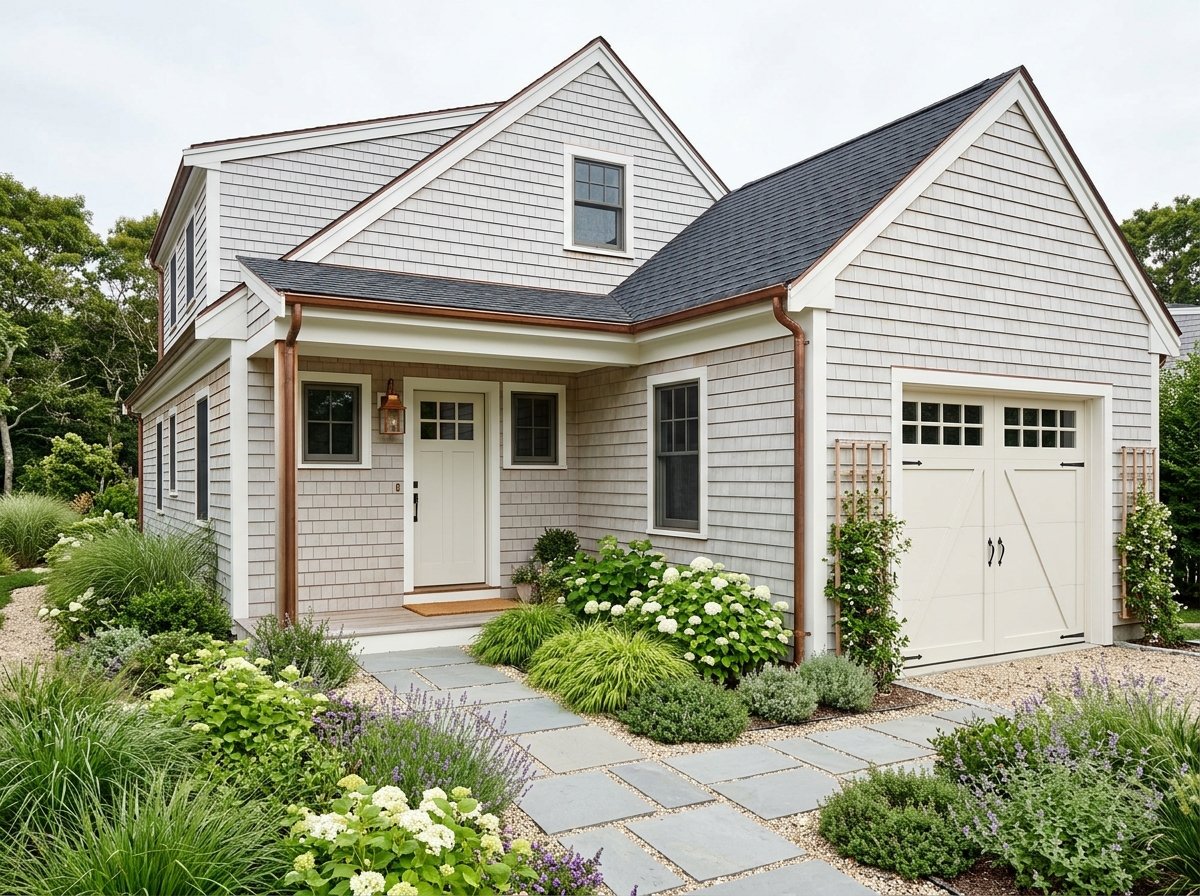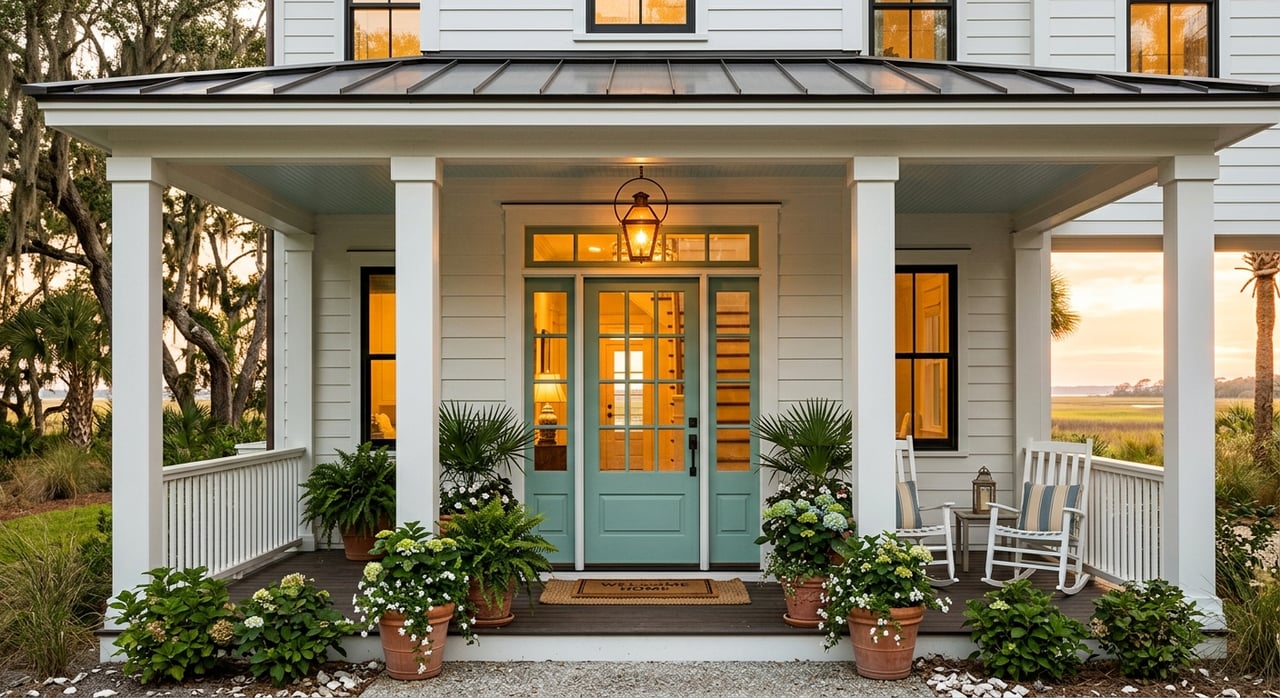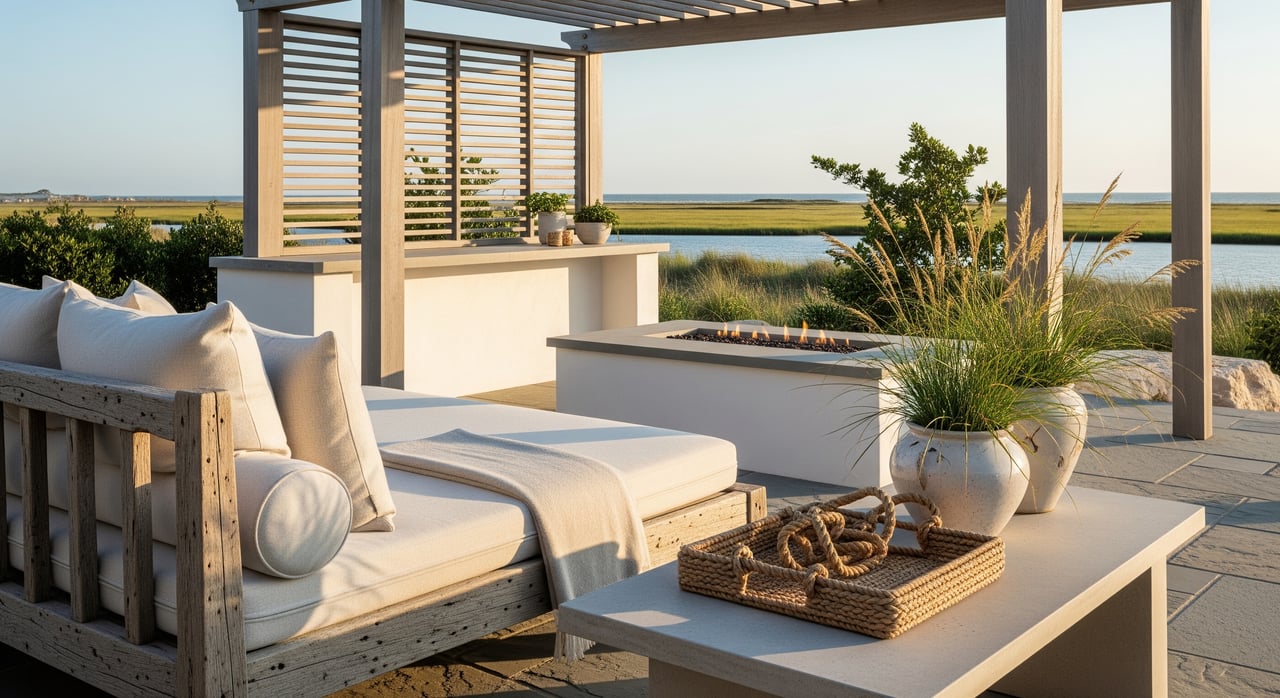
Salt, sun, and salt-laden wind shape every outdoor space in Newport. If you want a yard that looks great in listing photos, welcomes guests, and holds up to coastal weather, a standard landscape plan is not enough. You need plants, materials, and design choices built for our Crystal Coast climate. In this guide, you will learn how to pick salt-tolerant plants for USDA Zone 8b, plan layouts that block wind and spray, and keep maintenance simple so your space thrives year round. Let’s dive in.
Newport’s coastal conditions to plan for
Coastal Carteret County sits in USDA Zone 8b, so winters are generally mild, but occasional cold snaps can still stress tender plants. Summers are hot and humid with intense sunlight, and paved areas can reflect heat back onto beds. Sandy soils drain fast and often lack organic matter, so smart soil prep matters. Homes near waterways face regular salt spray and wind, so salt tolerance and flexible plant structure are key.
Flooding and storms are part of life here. Choose species that bend rather than break and keep taller canopies away from structures. Good drainage protects roots from salt buildup and helps plants recover after weather events.
Plan by exposure and microclimate
Walk your property and note where salt spray and wind hit first. The ocean-facing side and open corners usually take the brunt, while courtyards and leeward walls create calmer pockets. Put the toughest, most salt-tolerant plants in exposed zones. Use sheltered areas for plants with lower tolerance or higher ornamental value.
Layer your plantings. Start with trees or large shrubs as a buffer, then add mid-sized shrubs, and finish with grasses and perennials closer to living areas. Massing groups of the same species improves resilience and creates stronger visual impact in photos.
Front yard ideas
- Use a low, salt-tolerant hedge to soften wind and frame walkways.
- Choose evergreen structure for year-round curb appeal, then weave in seasonal color for pop.
- Keep taller plants clear of sightlines to doors and windows for safety and a clean look.
Backyard retreat
- Place seating and grills on the leeward side of the home where wind is lighter.
- Add trellises or lattices as wind filters, not solid walls that can funnel gusts.
- Use raised beds near patios to improve drainage and reduce salt splash.
Waterfront edges and rules
Shoreline, dune, and marsh plantings may be regulated. Follow local guidance before planting near public beaches, dunes, or wetlands. Respect setbacks and buffers, and plan erosion control with approved species.
Salt-smart plant choices for Zone 8b
Focus on a mix of native and well-adapted plants that handle salt, wind, and sandy soils. Place less tolerant choices in protected spots.
Trees and large shrubs
- Live oak (Quercus virginiana). Very high salt and wind tolerance, great structure where space allows.
- Southern magnolia (Magnolia grandiflora). Evergreen with moderate to high tolerance in sheltered sites.
- Yaupon holly (Ilex vomitoria) and dwarf forms like ‘Nana’. Native, versatile screens and hedges.
- Wax myrtle/southern bayberry (Morella). Fast, multi-stemmed, and salt tolerant for privacy.
- Eastern red cedar/selected Juniperus cultivars. Useful windbreaks in exposed areas.
Shrubs and hedging
- Dwarf yaupon holly (Ilex vomitoria ‘Nana’). Reliable low hedge in sandy soils.
- Rugosa rose (Rosa rugosa). Handles salt spray and offers seasonal color.
- Oleander (Nerium oleander). Very salt and heat tolerant, toxic if ingested, so site with care.
- Bottlebrush (Callistemon spp.). Long bloom season and good tolerance in warm coastal sites.
- Beach plum (Prunus maritima). Native choice for dune-adjacent plantings.
Grasses and stabilizers
- Sea oats (Uniola paniculata). Native dune stabilizer with very high tolerance.
- Muhly grass (Muhlenbergia capillaris). Showy pink plumes in fall, great in masses.
- Marsh-edge grasses like Spartina species. Use in true wet saline sites where appropriate.
Perennials and groundcovers
- Beach sunflower (Helianthus debilis). Spreading groundcover with bright blooms.
- Sea thrift (Armeria maritima). Compact mounds that tolerate spray.
- Liriope (Liriope spp.). Tough edging plant with moderate salt tolerance.
- Coreopsis and blanketflower (Coreopsis, Gaillardia). Heat and drought tolerant seasonal color.
- Native milkweeds (Asclepias spp.). Use away from heavy salt exposure.
Vines and screens
- Confederate jasmine (Trachelospermum jasminoides). Performs in sheltered areas.
- Passionflower species. Choose hardy options for trellises out of direct wind.
Soil prep and planting tips
Plant in early spring or fall so roots establish before peak heat and storm season. In sandy soils, mix in organic matter to hold moisture while keeping drainage fast. Avoid heavy clay amendments that can trap water around roots. Consider raised beds or gentle berms where drainage is poor or salt may collect.
Use 2 to 3 inches of organic mulch to conserve moisture and reduce salt splash on lower leaves. Keep mulch a few inches away from trunks. Water deeply and regularly during establishment to encourage deep roots and to leach salts below the root zone. If irrigation water is brackish, use drip to limit salt on foliage and plan periodic fresh-water flushing when possible.
Hardscapes that handle salt and sun
Choose corrosion-resistant materials like stainless steel hardware, marine-grade composites, and rot-resistant woods such as cedar or properly treated lumber. Lighter colored pavers reflect more heat, so add shade structures or use plantings to cool seating areas. Simple, durable lines read cleanly in photos and resist coastal wear.
Storm-ready, low-maintenance care
Expect one to three growing seasons of attentive care for new plantings. Use slow-release fertilizers as needed and follow local guidance to avoid overfeeding, which can worsen salt stress. Prune for structure, reduce wind sail, and remove damaged or salt-burned leaves after storms. Healthy plants bounce back faster, so monitor for pests and treat promptly.
Ahead of storm season, lightly prune well before any forecast. Young trees may need temporary support, but avoid over-staking. Keep crowns lower near buildings and remove oversized limbs that could catch wind.
Make it photograph beautifully
Repetition and massing make strong visuals. Large sweeps of grasses or repeating hedges create rhythm and movement. Contrast broadleaf evergreens with fine-textured grasses for depth. Place seasonal highlights where they are visible from the street, the front porch, or key backyard views. Aim for early morning or golden hour photos to soften the strong coastal sun.
Quick coastal landscape checklist
- Map wind and salt exposure before choosing plants.
- Layer buffers: trees and large shrubs, then mid-story shrubs, then grasses and perennials.
- Favor native or proven salt-tolerant species for Zone 8b.
- Amend sandy soils, raise beds where needed, and mulch 2 to 3 inches.
- Water deeply during establishment to leach salts and set deep roots.
- Choose corrosion-resistant hardscape materials and add shade where needed.
- Prune for wind resilience and maintain a simple care routine.
Why this matters when you sell or rent
Coastal-appropriate landscaping improves curb appeal, reduces upkeep, and helps your home show better online. Buyers and guests respond to outdoor spaces that feel welcoming and resilient. A thoughtful plan also protects your investment by reducing storm damage and replacement costs. If you are planning to list or to maximize rental appeal, coastal-ready outdoor spaces can make a real difference.
Ready to talk through which outdoor features add value in your part of Newport? Reach out to Copeland & Bernauer for local guidance and marketing strategies that highlight your home’s coastal lifestyle. Get Your Instant Home Valuation today.
FAQs
What plants work near the ocean in Newport?
- Choose high salt-tolerance species like live oak, yaupon holly, wax myrtle, sea oats, muhly grass, rugosa rose, and beach sunflower, and place less tolerant plants in sheltered spots.
How do I manage salt spray on my landscape?
- Use layered windbreaks, rinse foliage with fresh water after heavy spray when practical, keep mulch to reduce splash, and design for good drainage to leach salts from the root zone.
Can I grow a grass lawn by the coast in Carteret County?
- Yes, but expect more irrigation and salt management; consider salt-tolerant turf varieties or reduce lawn area with low-maintenance groundcovers and ornamental grasses.
When is the best time to plant in Zone 8b along the Crystal Coast?
- Plant in early spring or fall so roots establish before summer heat and storm season; avoid midsummer planting whenever possible.
Do I need permits to plant on dunes or marsh edges in Newport?
- Dune and marsh plantings can be regulated; respect setbacks and coordinate with local authorities before planting in protected coastal zones.