Selling a home at the beach is not the same as selling inland. In Atlantic Beach, buyers notice the lifestyle details right away, but they also pay close attention to signs of storm wear, moisture, and upkeep. If you want to make a strong impression and avoid preventable issues during the sale, it helps to prepare with both presentation and documentation in mind. Let’s dive in.
Why coastal prep matters in Atlantic Beach
Atlantic Beach is a barrier-island community bordered by the Atlantic Ocean and Bogue Sound, and the town notes that much of the area is within a floodplain. Carteret County also reports that about 33% of the county’s population and 47% of its land area are in a Special Flood Hazard Area. For sellers, that means flood risk and compliance are not side topics. They are part of how buyers evaluate the property.
The local process matters too. Atlantic Beach permit resources include a CAMA Minor Development Permit packet, a Flood Elevation Certificate, and an NC V-Zone certification form, while Carteret County handles building and trade inspections for Atlantic Beach. Before your home hits the market, gathering these records can help you answer buyer questions quickly and present your property with more confidence.
Start with documents and records
One of the smartest first steps is building a clean, organized property file. In a coastal market, buyers often want more than finish details and room sizes. They may also ask about flood-related documents, past improvements, and permit history.
Try to collect:
- Flood Elevation Certificate, if available
- Permit history for improvements or repairs
- Any CAMA-related paperwork tied to prior work
- NC V-Zone certification documents, if applicable
- Records for major maintenance or system updates
Carteret County also helps with flood-map questions, map revisions, and elevation certificates, and FEMA issued new flood-map panels effective January 17, 2025 for select areas. If your property paperwork is incomplete, it is worth sorting that out early. Clear records can reduce friction once showings begin.
Fix the issues buyers notice first
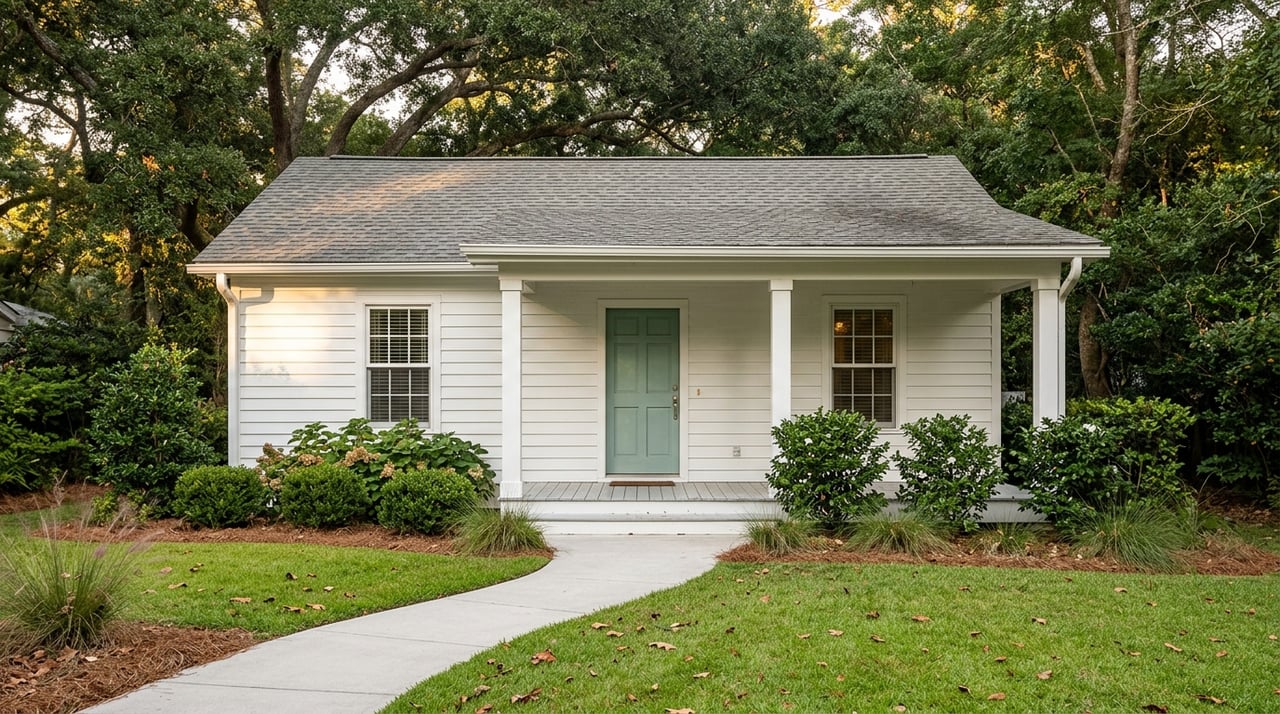
In Atlantic Beach, buyers tend to read exterior wear as a clue to overall maintenance. That reaction makes sense in a salt-air environment, where corrosion and weather exposure can accelerate wear on exterior components. What looks minor at first glance can raise larger questions about how the home has been cared for.
FEMA’s coastal construction guidance notes that salt-laden air can corrode exterior components, including metal connectors and fasteners, and that periodic maintenance extends life in coastal settings. For sellers, visible rust, peeling paint, damaged screens, loose railings, stained soffits, and failed sealants are worth addressing before the listing goes live.
Exterior repairs to prioritize
If your budget is limited, focus first on issues that affect safety, condition, or marketability. Fannie Mae’s appraisal guidance says appraisers must report visible adverse conditions, deferred maintenance, and repairs that affect safety, soundness, structural integrity, or marketability.
That makes these items especially important:
- Roof leaks or signs of active water intrusion
- Rotted trim or deteriorated exterior wood
- Unsafe steps, decks, or railings
- Dampness or moisture damage
- Cracked window glass
- Minor plumbing leaks
- Missing handrails
Even when a property may still qualify for an as-is appraisal, these issues can still be reported. In a coastal setting, moisture-related damage and unsafe exterior conditions are often the first things to solve.
Consider a pre-listing inspection
A pre-listing inspection can help you find problems before a buyer does. Research cited in the report notes that this type of inspection can surface roof, plumbing, or electrical issues before they become negotiation problems. In Atlantic Beach, where buyers may already be thinking about storms, flood exposure, and maintenance, that early clarity can go a long way.
This does not mean you have to overhaul everything. It means you can make informed decisions about what to repair, what to document, and how to price and market the home with fewer surprises.
Check permit needs before doing work
Before starting exterior projects, make sure you understand whether permits are required. Atlantic Beach states that permits may be required within town limits, and its forms page includes CAMA and flood-related documents that can apply to certain work. NC DEQ also notes that single-family development falls under CAMA minor permits.
That matters because unpermitted work can create delays later. If you are cleaning up a deck, replacing exterior elements, or planning repairs tied to storm wear, it is wise to confirm whether your project needs local approval before work begins.
Stage for light, function, and flow
Beach buyers are often drawn to the feeling of easy indoor-outdoor living. That does not mean you need heavy coastal decor or a themed look. In most cases, a clean, bright, functional presentation works better than an overly styled one.
NAR’s 2025 staging profile found that 83% of buyers’ agents said staging made it easier for buyers to envision a home as their future residence. The same report found that 29% of sellers’ agents reported a 1% to 10% increase in the dollar value offered, and 49% reported reduced time on market.
Focus on the most important rooms
The same staging data found that buyers care most about these spaces first:
- Living room
- Primary bedroom
- Kitchen
Start there. If time or budget is tight, give those rooms the most attention before styling less-used spaces.
Coastal staging tips that work
In Atlantic Beach, good staging often highlights usability and ease of ownership. Buyers want to see how the home lives day to day, not just how it looks in a vacation photo.
A few practical moves can help:
- Reduce clutter in every room
- Open blinds to bring in natural light
- Remove magnets, personal items, and visual distractions
- Take out one or two pieces of furniture where rooms feel crowded
- Make thresholds and entry points look clean and open
- Show visible storage where possible
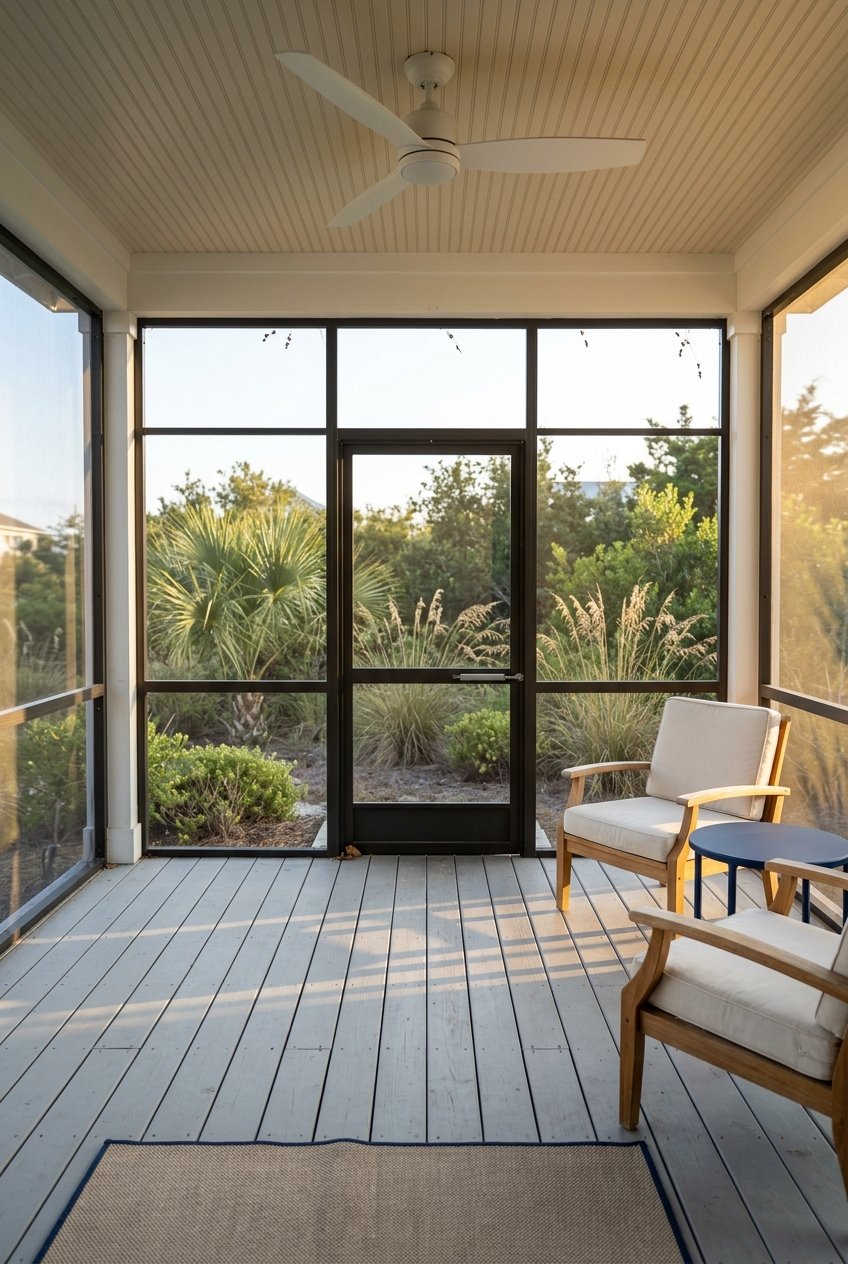
- Present porches, decks, patios, and sunrooms as usable living spaces
This approach helps the home feel larger, lighter, and easier to maintain, which is especially valuable in a coastal market.
Make outdoor spaces part of the story
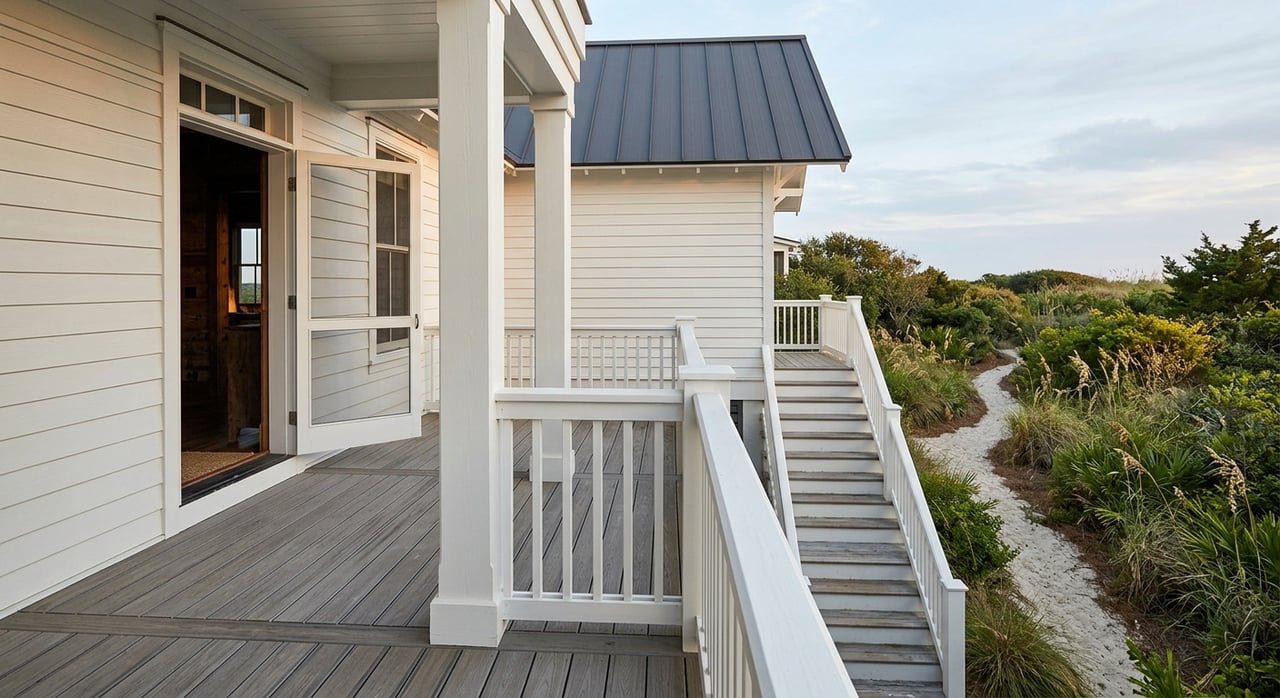
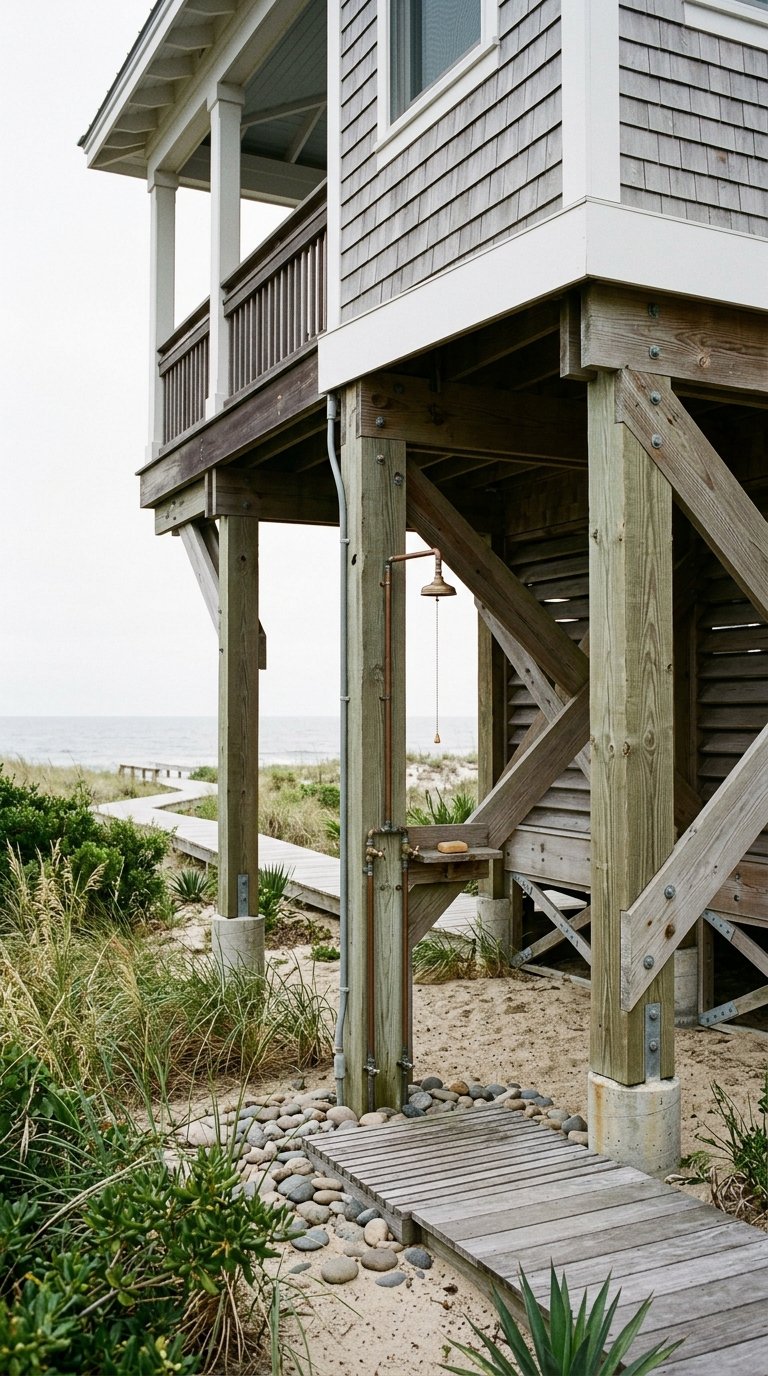
Outdoor living is a major part of how buyers experience a coastal home. If your property has a porch, deck, patio, sunroom, outdoor shower area, storage for beach gear, or practical parking, those features should be clean, functional, and ready to show.
Do not treat these areas as afterthoughts. Buyers often see them as extensions of everyday living. A deck with loose boards or a porch with worn finishes can weaken the overall impression, while a tidy, well-kept outdoor area can support the value story of the home.
Invest in strong listing photography
Your online presentation matters more than ever. NAR reports that 52% of buyers found the home they purchased online, and nearly half began their search online. Its 2025 buyer search data also show that photos matter to 83% of buyers, detailed property information matters to 79%, floor plans matter to 57%, and virtual tours matter to 41%.
That means your home needs more than a quick photo set. It needs a polished, accurate presentation that helps buyers understand both the property and the way it lives.
What to show in a coastal listing
For an Atlantic Beach home, the strongest listing package usually includes:
- Clear exterior photos
- Main living spaces with natural light
- Kitchens and primary bedrooms
- Porches, decks, patios, and sunrooms
- Parking and storage areas
- View corridors, if they exist
- Water proximity cues, where accurate
- Floor plans or virtual assets, if available
The goal is not to oversell. It is to present the home truthfully and clearly so buyers know what to expect when they arrive.
Be precise about views and location details
In coastal markets, wording matters. Fannie Mae notes that similar properties and water views are not interchangeable, and comparable homes may still require adjustments. That is a useful reminder for sellers.
If your home has a water view, water access, or close proximity to the beach or sound, describe it accurately. Avoid vague language that suggests more than the property actually offers. Clear, factual presentation builds trust with buyers and helps support a smoother path through inspection and appraisal.
Prepare for appraisal with condition in mind
Many sellers focus on design updates, but appraisal often comes back to condition and marketability. Fannie Mae’s guidance makes clear that appraisers must identify deferred maintenance, adverse conditions, and any issue affecting safety or structural integrity. If a property has serious deficiencies, repairs may be needed before a loan can move forward.
For Atlantic Beach sellers, this is why moisture damage, deterioration, and structural concerns should move to the top of the list. Fresh styling can help your marketing, but it will not cancel out water intrusion or unsafe exterior features.
A simple prep order for Atlantic Beach sellers
If you want a practical path forward, follow this order:
- Gather flood documents, permit history, and elevation records
- Repair moisture, safety, and exterior condition issues
- Confirm permit needs for any planned work
- Declutter and stage for light and indoor-outdoor flow
- Launch with strong, accurate photography and listing details
This sequence helps you tackle the issues most likely to affect buyer confidence, appraisal, and financing first. Then you can focus on the marketing details that help your home stand out online and during showings.
Selling a coastal home takes more than a quick cleanup. In Atlantic Beach, the strongest listings usually combine smart maintenance, organized documentation, and polished presentation. When you prepare with all three in mind, your home is better positioned to attract serious buyers and move through the sale process with fewer surprises.
If you are getting ready to sell on the Crystal Coast, the Copeland & Bernauer Real Estate Team can help you prepare, position, and market your Atlantic Beach home with local insight and full-service support.
FAQs
What documents should you gather before selling a home in Atlantic Beach?
- Start with your flood elevation certificate, permit history, any CAMA-related paperwork, NC V-Zone certification documents if applicable, and records for major repairs or updates.
What repairs matter most before listing a coastal home in Atlantic Beach?
- Prioritize roof leaks, water intrusion, rotted trim, unsafe decks or steps, loose railings, dampness, cracked window glass, plumbing leaks, and missing handrails.
Do repairs in Atlantic Beach ever require permits before listing?
- Yes. Atlantic Beach states that permits may be required within town limits, and some work may involve CAMA or flood-related documentation.
How should you stage a beach home for sale in Atlantic Beach?
- Focus on light, function, and flow by decluttering, opening blinds, simplifying furniture layouts, and treating porches, decks, patios, and sunrooms as usable living areas.
Why is photography so important when selling a home in Atlantic Beach?
- Many buyers begin online, and research in the report shows photos are one of the most important parts of a home search, so strong visuals can shape first impressions and showing activity.
How do appraisals affect coastal home sales in Atlantic Beach?
- Appraisers look closely at condition, deferred maintenance, safety, and marketability, so moisture damage and structural or exterior safety issues can have an outsize impact on the sale process.