Thinking about buying or selling in Morehead City this winter? Cooler months here often bring quieter showings, shifting leverage, and a few coastal wrinkles you will want to plan for. You will learn what drives our winter market, which metrics matter most, and how to navigate insurance, inspections, and timing. Let’s dive in.
Winter market snapshot
Winter on the Crystal Coast usually means fewer new listings and fewer active buyers. Lower foot traffic can translate to more negotiating room for well-prepared buyers. Sellers who list now often face less competition within certain price ranges, which can help the right home stand out. Micro-markets like waterfront and condos may move differently than inland single-family homes.
Nationally through mid-2024, inventory rose compared with the pandemic lows, and days on market lengthened in many areas. Mortgage rates moved off peak levels but stayed higher than 2021. Locally, your outcome depends on months supply of inventory, list-to-sale price trends, and whether your property sits inland or near the water.
What to watch this season
Keep these indicators front and center when you evaluate value, timing, and leverage:
- Months supply of inventory: Under 3 months often favors sellers. Three to six months is more balanced. Above 6 months can tilt toward buyers.
- Days on market: Short and steady often signals strong demand. Rising days on market can point to softening or pricing mismatches.
- List-to-sale price ratio: Around 98 to 100 percent suggests balance. Over 100 percent means bidding is common. Below 98 percent indicates more room to negotiate.
- Price reductions and pending activity: More price cuts plus slower pendings often point to buyer leverage in that segment.
- Property-type splits: Track single-family, condo, townhouse, and waterfront separately. Behavior differs by segment in winter.
If you want current numbers for Morehead City or Carteret County, ask for a date-stamped snapshot for the past 30, 60, and 90 days plus year-over-year trends. Local MLS data is the most reliable source for these metrics.
Micro-markets to watch
Waterfront and near-water homes
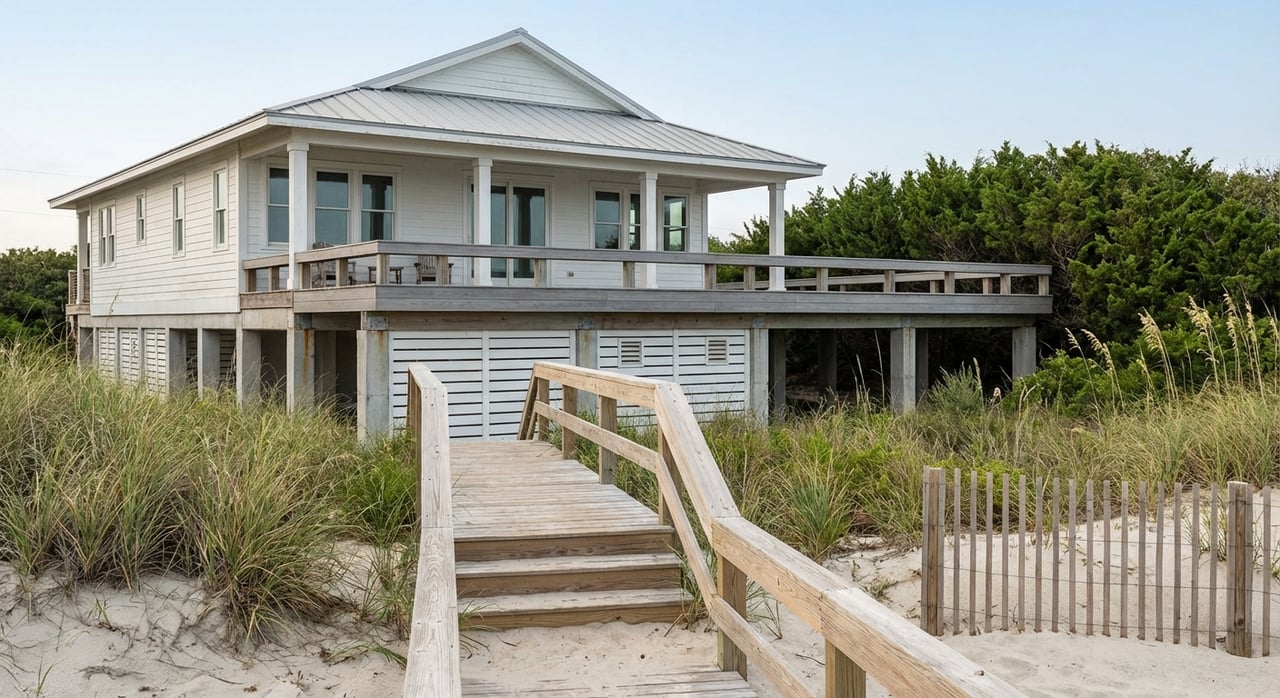
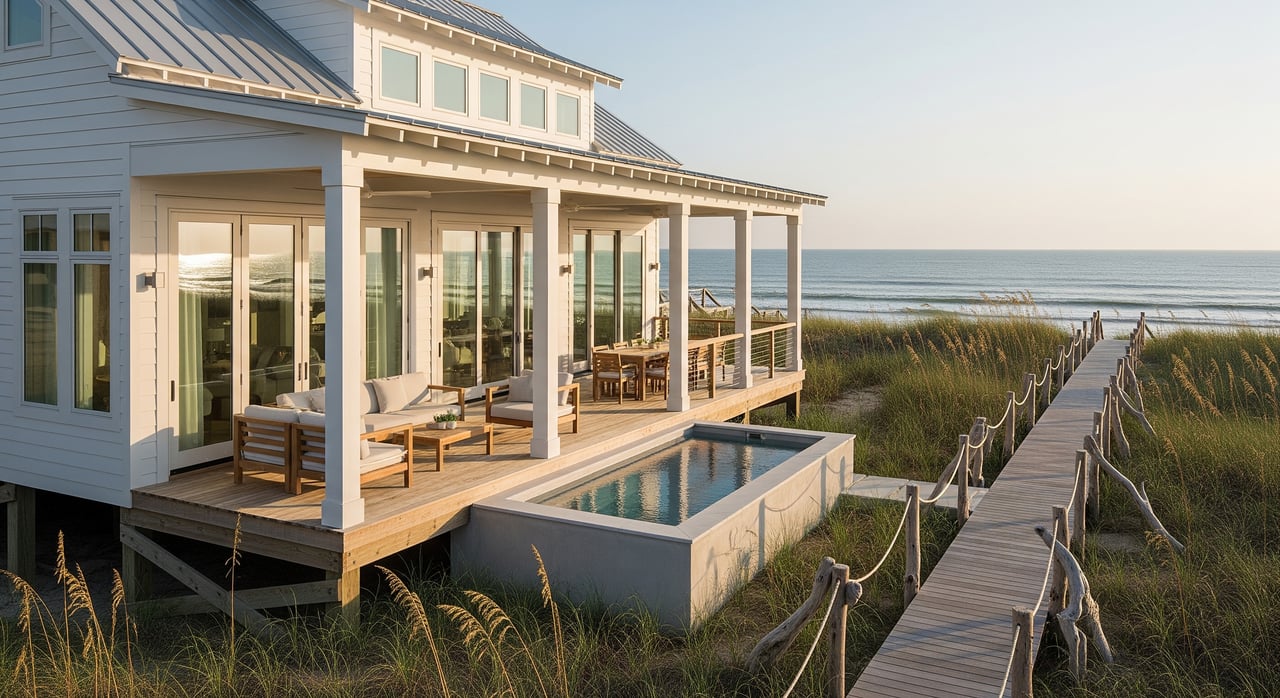
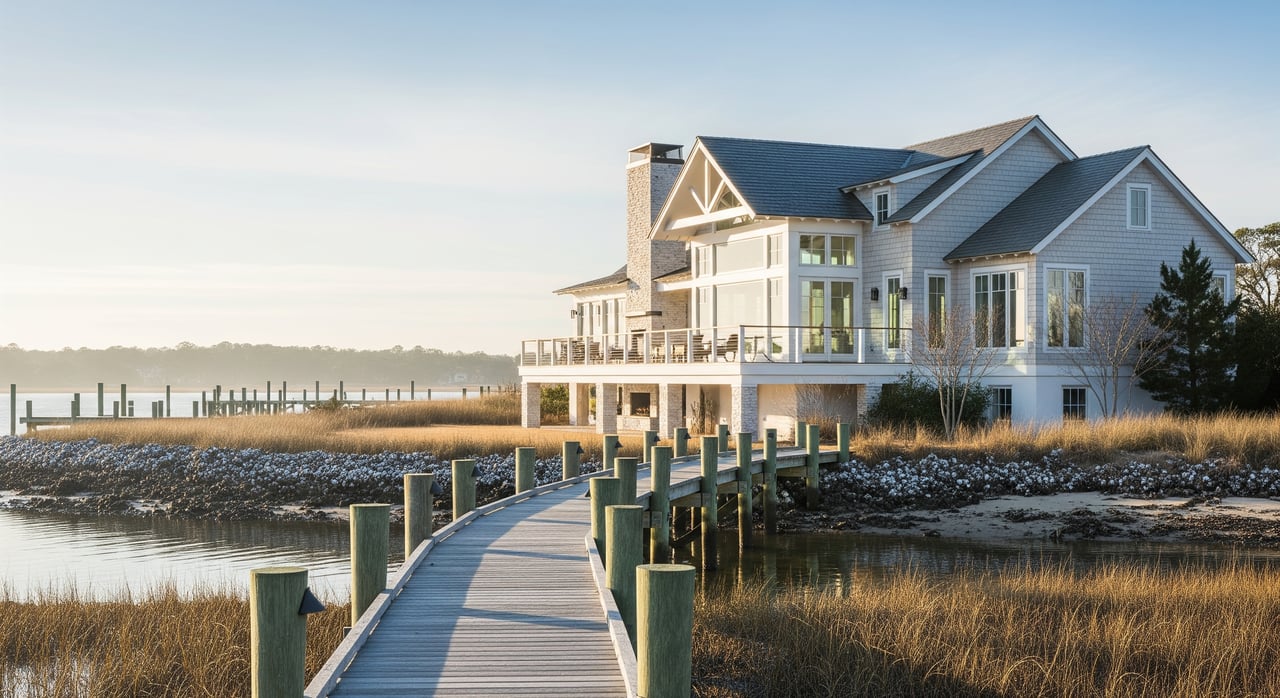
Waterfront and near-water properties carry premiums tied to views, access, elevation, and dockage. In winter, some second-home buyers shop ahead of spring. Expect careful due diligence on flood zones, elevation certificates, wind mitigation, and insurance quotes.
Condos and townhomes
Condos near amenities or marinas can see steady interest from lock-and-leave buyers and investors. Winter demand may ease, but motivated buyers often target well-maintained units with clear HOA rules and reserves.
Inland single-family
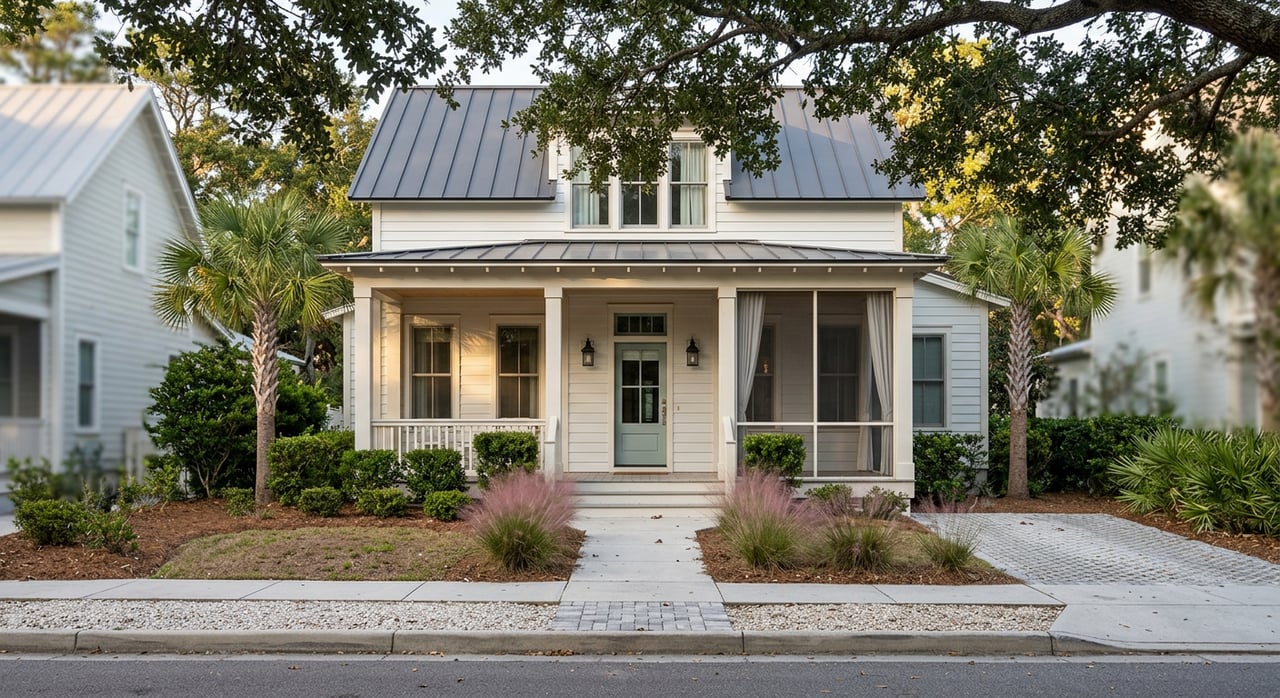
Inland neighborhoods can offer more predictable insurance costs and broader financing options. Winter can bring less competition. Pricing accuracy and strong condition still matter to attract serious buyers.
Insurance and flood reality
In coastal markets, insurance can influence both affordability and time to close. Flood zone designations, elevation, and structure details affect premiums and insurability. Flood and wind policies have evolved in recent years, and underwriting criteria can be strict.
Plan for the following during due diligence:
- Obtain early quotes for wind and flood coverage from local specialists. Quotes vary by address and home features.
- Review the property’s elevation certificate and any wind mitigation improvements.
- Confirm whether the property is on sewer or septic and check for any past storm or pier damage if applicable.
- Build extra time into the closing timeline for underwriting and document collection.
Buyer playbook for winter
You may find more negotiating room now compared with peak season. Focus on preparation and clarity.
- Get pre-approved and ready to lock a rate when terms meet your goals.
- Ask for concessions if inspection items or insurance costs change your numbers.
- Prioritize location-specific due diligence: flood zone, elevation, wind mitigation, and HOA rules.
- If rental income matters, confirm local short-term rental rules and HOA restrictions before you go under contract.
- Expect a little more time for insurance and lender underwriting. Build that into your closing plan.
Seller playbook for winter
You can still win in winter with the right pricing, presentation, and access.
- Price to the market you have, not the one from last spring. Use the most recent 30 to 90 days of comparable sales.
- Improve first impressions: winter-bright photos, clear views, tidy landscaping, and well-lit interiors.
- Pre-listing readiness helps: service HVAC, check roof and shutters, gather elevation certificates, and consider a pre-list inspection.
- Offer flexible showings and strong digital marketing to reach out-of-area shoppers who are planning spring moves.
Investment and rentals
If you are considering rental potential, study segment-specific performance. Rental rules and HOA policies vary by building and neighborhood. Ask for rental projections tied to property type, seasonality, and realistic expense assumptions, including insurance and maintenance.
Timing your move
Winter can be an opportunity for both sides. A simple plan helps you avoid surprises:
- Weeks 1–2: Confirm goals and budget, request an up-to-date market snapshot, and gather insurance quotes for sample homes.
- Weeks 2–4: Tour or preview top options. For sellers, complete pre-list improvements and launch marketing.
- Weeks 4–8: Negotiate with clear inspection and insurance contingencies. Allow extra time for underwriting and documentation.
How we can help
You deserve clear guidance rooted in local experience. Our team combines deep Crystal Coast knowledge with polished, national-caliber marketing to help you buy or sell with confidence. We provide end-to-end representation, neighborhood-targeted searches, rental-projection support, and remote-friendly transaction management. If you are curious about your home’s value, ask for our instant valuation and a tailored pricing strategy.
Ready to plan your winter move in Morehead City? Connect with the Copeland & Bernauer Real Estate Team for a current market snapshot and a calm, step-by-step plan that fits your goals.
FAQs
Is winter a good time to buy in Morehead City?
- Yes, winter often brings fewer competing buyers, more room to negotiate, and motivated sellers in some segments, especially when inventory is elevated.
What should sellers do differently in winter?
- Price with the last 30–90 days of comps, maximize online presentation, keep showings flexible, and prep documents like elevation certificates to speed up underwriting.
How do flood zones affect my budget?
- Flood zones and elevation influence insurance costs and availability, which can affect monthly payments and closing timelines, so get quotes early.
What is months supply of inventory and why it matters?
- It measures how long current inventory would last at the recent sales pace; under 3 months favors sellers, 3–6 is balanced, and above 6 can favor buyers.
Do condos behave differently than single-family homes in winter?
- They can; condo demand often reflects lock-and-leave and investment goals, while single-family demand ties more to full-time living and insurance considerations.
How long does a coastal closing take in winter?
- Timelines vary, but you should allow extra time for insurance quotes, flood documentation, and lender underwriting compared with non-coastal areas.